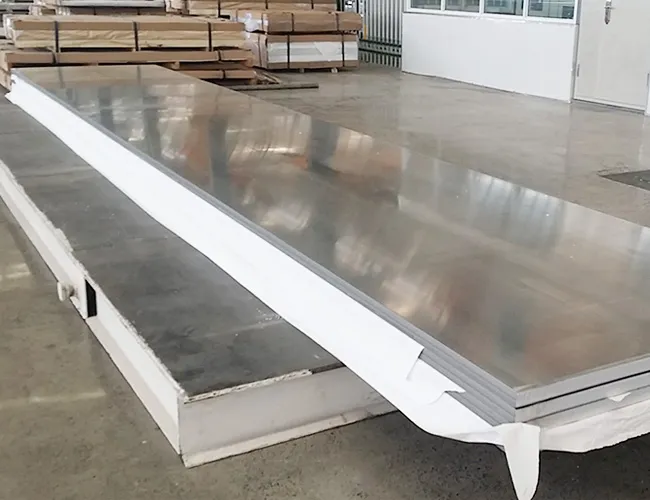
Marine Aluminum Plates
Key Grades: 5083-H116, 5083-H321, 5086, 5059, 5383
Certified 5xxx series alloy plates engineered for continuous seawater immersion, hull shells, decks, and watertight bulkheads.
Explore plate catalog →MILL-DIRECT ROLLING · ASTM B928 & EN 573 CERTIFIED · SHIPBUILDING METALLURGY
Haomei Aluminum operates heavy plate rolling mills and extrusion lines supplying certified marine aluminum plates, structural profiles, precision tubes, pipe fittings, flanges, and C70600 copper-nickel piping networks directly to commercial shipyards, naval architects, and offshore fabricators. Core grades include 5083-H116, 5086-H116, 5059, 5383, and 6061/6082 engineered for rigorous saltwater immersion and high-stress marine architecture.
Manufacturing Standards: ASTM B928 · ASTM B466 · ASTM B221 · EN 573 · EN 755 · ASME B16.5
Traceability & Test Reports: EN 10204 3.1 MTC · Spectrometric Analysis · Tensile Validation
Supplying Sectors: Commercial Shipyards · Workboat Builders · Offshore Engineering Skids
Comprehensive mill-direct supply of specialized marine-grade aluminum alloys, structural extrusions, piping networks, and shipbuilding consumables tailored for international shipyards.
Key Grades: 5083-H116, 5083-H321, 5086, 5059, 5383
Certified 5xxx series alloy plates engineered for continuous seawater immersion, hull shells, decks, and watertight bulkheads.
Explore plate catalog →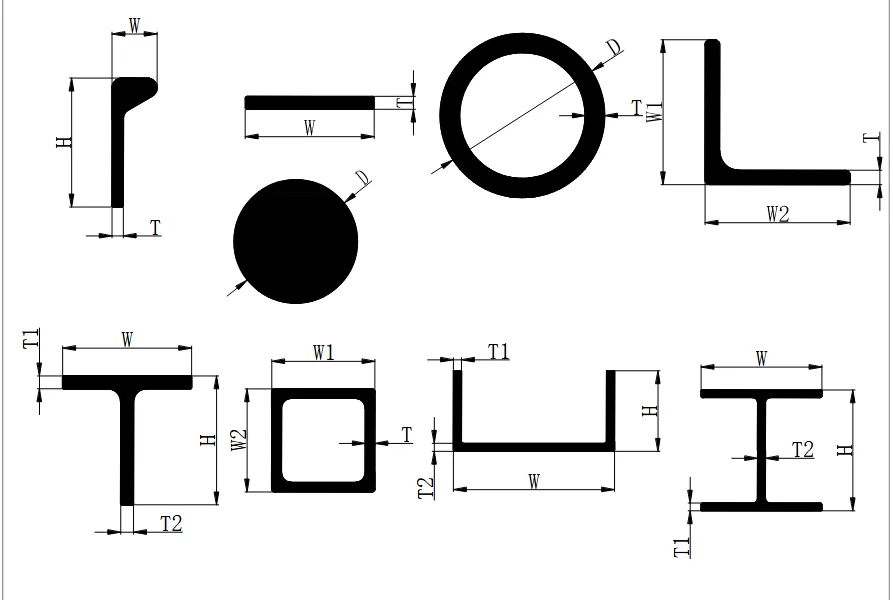
Key Grades: 6061-T6, 6082-T6, Bulb Flats, H-Beams
High-strength heat-treatable Al-Mg-Si profiles, longitudinal stiffeners, and structural framing components.
Explore profile catalog →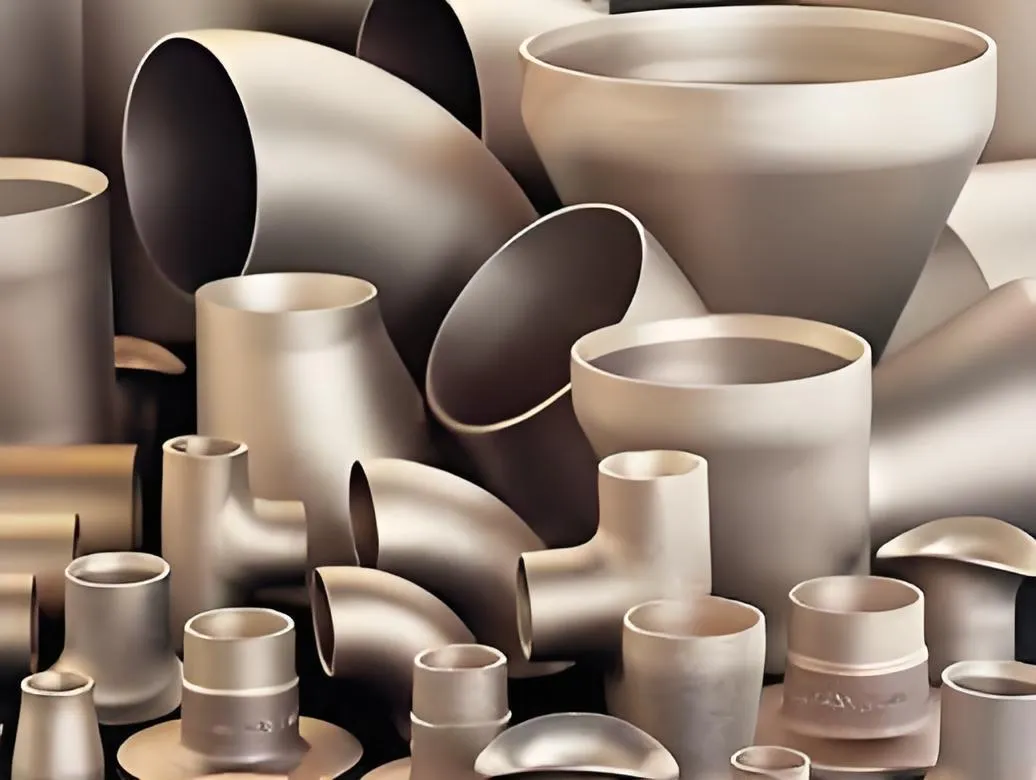
Key Materials: Aluminium, C70600 Copper-Nickel
Seamless pipes, elbows, tees, reducers, and flanges for reliable seawater cooling and ballast piping networks.
Explore piping catalog →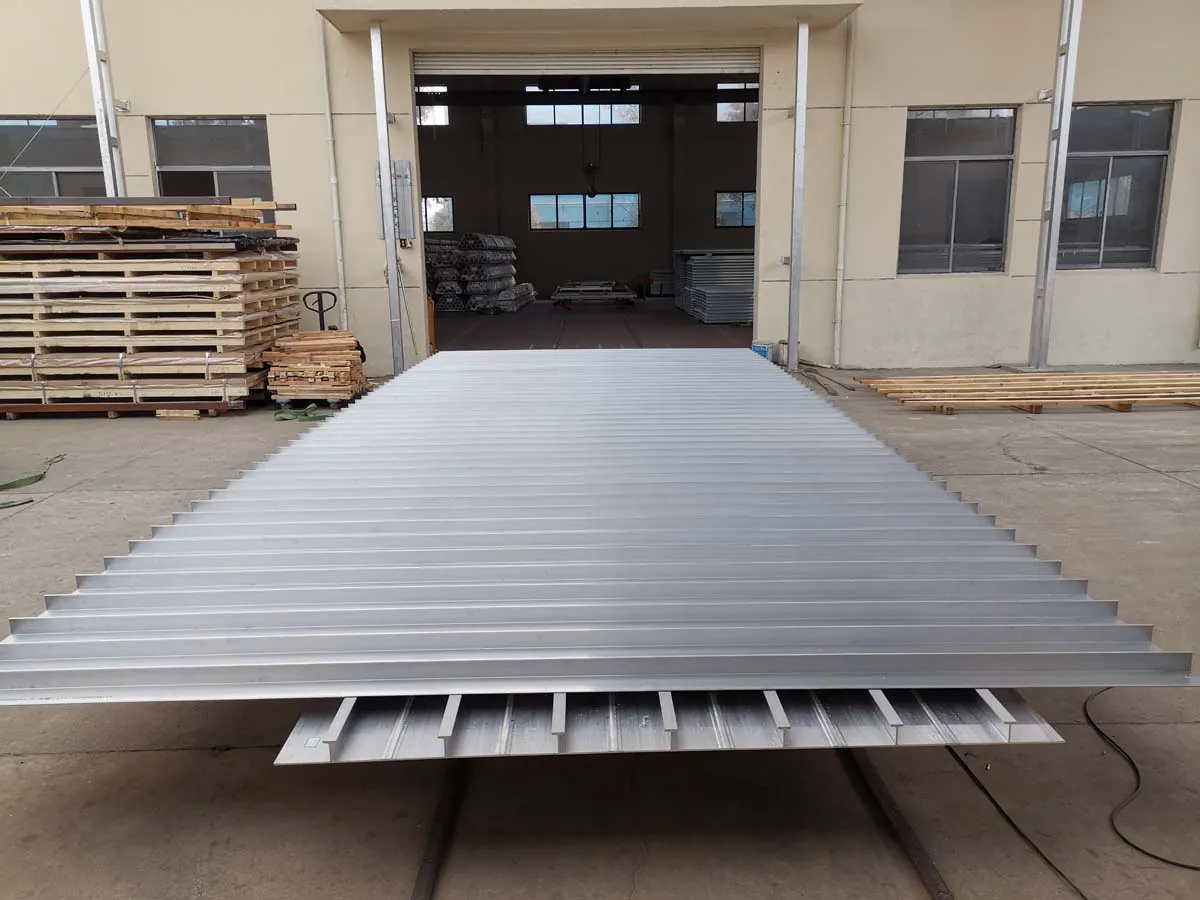
Includes: Checker Plates, FSW Panels, ER5183 Wires
Non-skid tread plates, friction stir welded panels, explosion-bonded transition joints, and certified welding consumables.
Explore consumables →Selecting marine aluminum is not only a material purchasing decision. Shipyards and naval engineers must evaluate corrosion resistance, welding performance, mechanical strength, classification requirements, and long-term seawater exposure conditions.
Haomei Aluminum provides technical support for marine fabrication projects, helping customers select suitable aluminum alloys, tempers, thicknesses, and structural forms for commercial vessels, offshore equipment, and aluminum boat construction.
5083-H116 and 5083-H321 aluminum plates are commonly specified for welded marine structures including hull shells, decks, bulkheads, and superstructures because of their balance of strength, weldability, and seawater corrosion resistance.
Our technical team assists customers in comparing 5xxx series marine alloys and 6xxx series structural extrusions according to vessel design requirements, fabrication methods, and load conditions.
Marine aluminum shipments can be supplied with material traceability documents, including chemical composition analysis, mechanical property reports, and EN 10204 3.1 Mill Test Certificates.
Technical recommendations are available for cutting, welding filler selection, surface protection, packaging, and transportation requirements during marine projects.
Choosing the correct marine aluminum alloy depends on vessel design, structural requirements, corrosion environment, welding method, and classification specifications. The following guide summarizes common material selections used in marine engineering applications.
| Marine Application | Recommended Alloy | Engineering Reason | Typical Products |
|---|---|---|---|
| Hull Bottom & Side Shell | 5083-H116 | Excellent seawater corrosion resistance, high weldability, and stable mechanical performance | Marine aluminum plate |
| Hull Structures & Bulkheads | 5083-H116 / 5083-H321 | Suitable for welded structures requiring strength and corrosion resistance | Shipbuilding aluminum plate |
| High-Speed Ferry Structures | 5383-H321 | Higher strength-to-weight performance for lightweight marine structures | Marine plate and welded panels |
| Patrol Boats & Workboats | 5086-H116 | Good corrosion resistance, weldability, and toughness | Hull plate and structural components |
| Structural Frames & Extrusions | 6082-T6 / 6061-T6 | High strength heat-treatable aluminum for load-bearing profiles | Marine profiles, tubes, bulb flats |
| Cabin Interior & Formed Components | 5052-H32 | Excellent forming ability and corrosion resistance | Marine aluminum sheet |
| Seawater Piping Systems | C70600 Copper-Nickel | High resistance to seawater corrosion and bio-fouling | Marine Cu-Ni pipes and fittings |
Marine alloys must withstand continuous exposure to saltwater, humidity, and marine atmospheric conditions.
Shipbuilding aluminum requires alloys that maintain acceptable mechanical properties after welding.
Aluminum reduces vessel weight while maintaining structural performance for marine applications.
Material selection should consider project standards, inspection requirements, and vessel regulations.
Estimated Total Weight: kg (Density: 2.71 g/cm³ for Al-Mg alloys)
Aluminium-magnesium wrought alloys are specified for marine construction because they deliver high corrosion resistance in saltwater environments without requiring heavy protective coatings on primary shell structures.
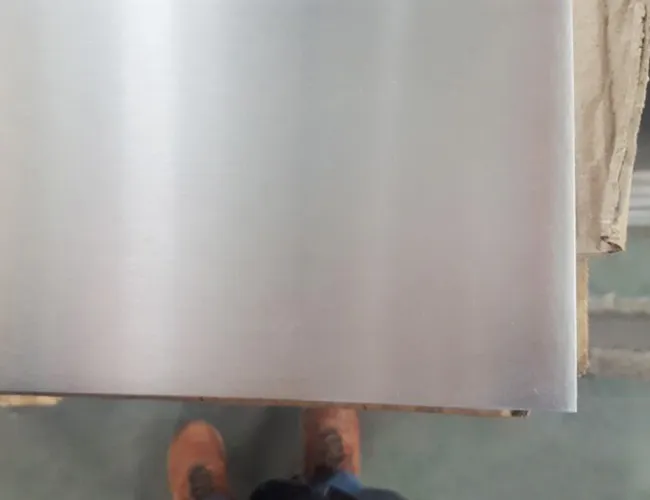
Primary Use: Main hull shells, transverse watertight bulkheads, and deck plating.
Metallurgical Traits: Al-Mg-Mn system offering high resistance to marine chemical and atmospheric attack.
Specification: Alloy 5083 · Tempers H111, H116, H321 · ASTM B928 / EN AW-5083.
View 5083 technical data →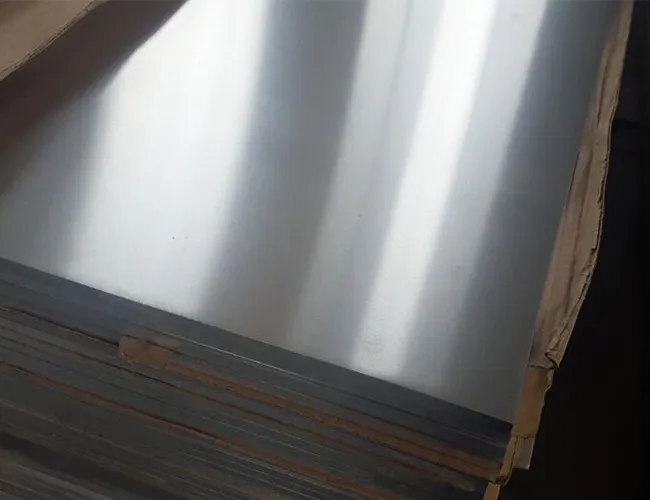
Primary Use: Underwater hull plating, workboats, and high-speed passenger ferries.
Metallurgical Traits: Specifically processed and tested to pass exfoliation and intergranular corrosion tests (ASTM G66/G67).
Specification: Alloy 5083 · Temper H116 · Thickness: 4.0mm to 150mm.
View H116 specifications →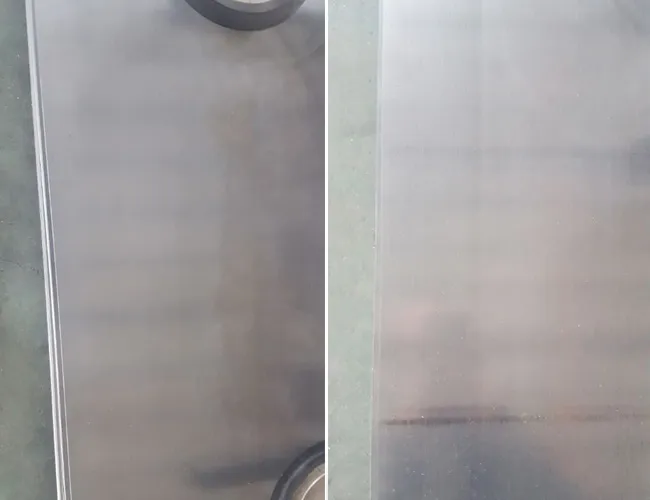
Primary Use: Superstructures, wheelhouses, and cold-formed marine structural profiles.
Metallurgical Traits: Strain-hardened and stabilized to ensure dimensional retention during automated plasma/laser cutting.
Specification: Alloy 5083 · Temper H321 · Controlled mechanical thresholds.
View H321 specifications →
Primary Use: Patrol craft shells, marine fuel tanks, and welded brackets.
Metallurgical Traits: Moderate strength grade with excellent weld retention and cryogenic toughness.
Specification: Alloy 5086 · H116 / H32 tempers · Cut-to-size service.
View 5086 specifications →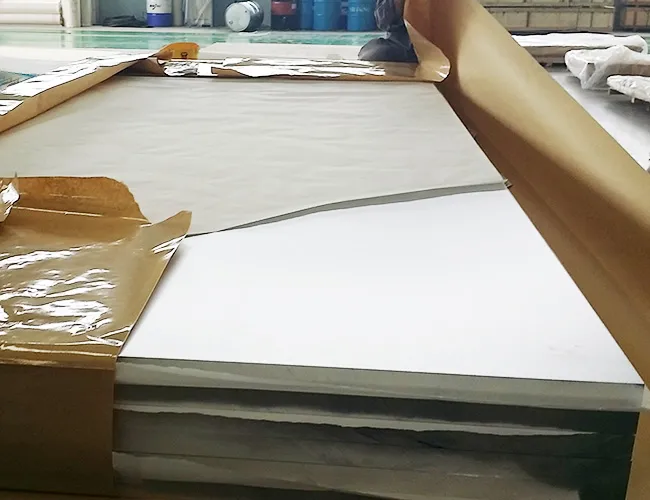
Primary Use: Interior cabin lining, marine furniture, and ventilation enclosures.
Metallurgical Traits: Lower magnesium content enabling high formability for tight radius bending.
Specification: Alloy 5052 · Tempers H32, H34, O · Precision gauge tolerances.
View 5052 specifications →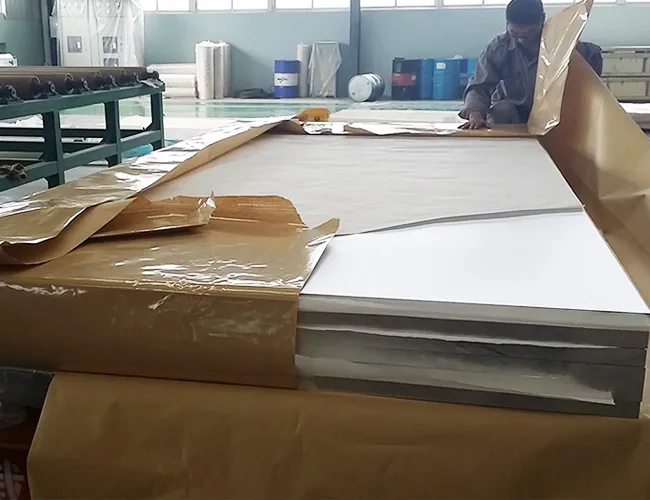
Primary Use: High-speed planing hulls, military interceptors, and deep-sea craft.
Metallurgical Traits: High magnesium formulation (~5.5%-6.0%) yielding superior baseline proof strength over 5083.
Specification: Alloy 5059 · Temper H116 · Certified marine plates.
View 5059 specifications →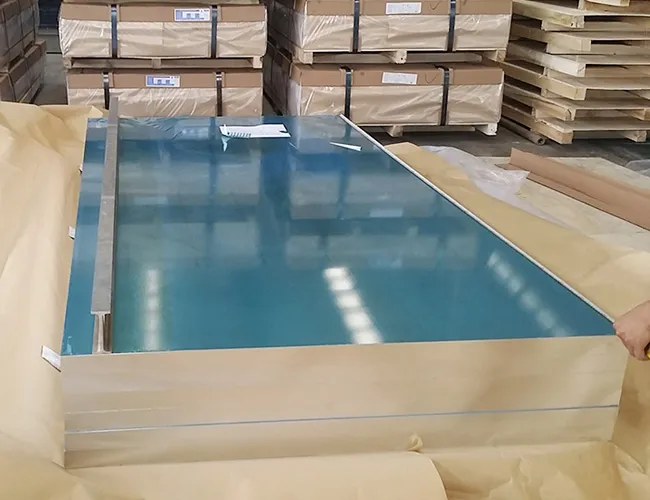
Primary Use: Fast catamarans, hydrofoil structures, and weight-critical decks.
Metallurgical Traits: Optimized grain refinement designed to maximize welded joint efficiency.
Specification: Alloy 5383 · Temper H321 · Custom thickness options.
View 5383 specifications →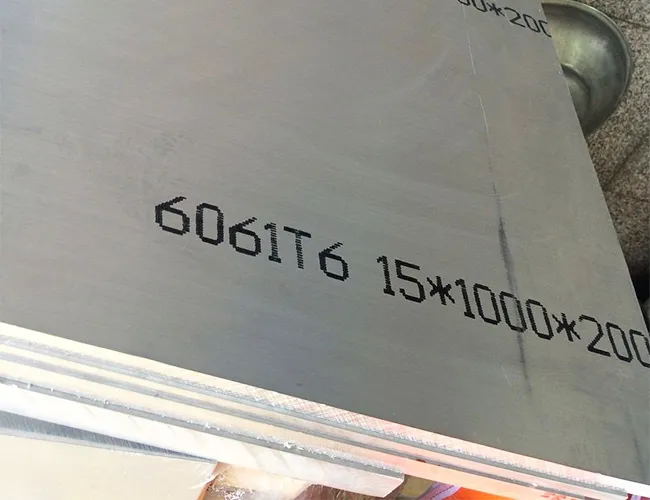
Primary Use: Engine mounting skids, structural brackets, hull frames, mast components, and machined marine hardware.
Metallurgical Traits: Versatile Al-Mg-Si heat-treatable alloy offering high tensile strength, excellent machinability, and good weldability.
Specification: Alloy 6061 · Tempers T6, T651 · ASTM B221 / ASTM B209.
View 6061 technical data →Load-bearing frame systems and internal supports require precision-extruded profiles and flat components complying fully with ASTM B221, EN 755, and EN 12020 standards.
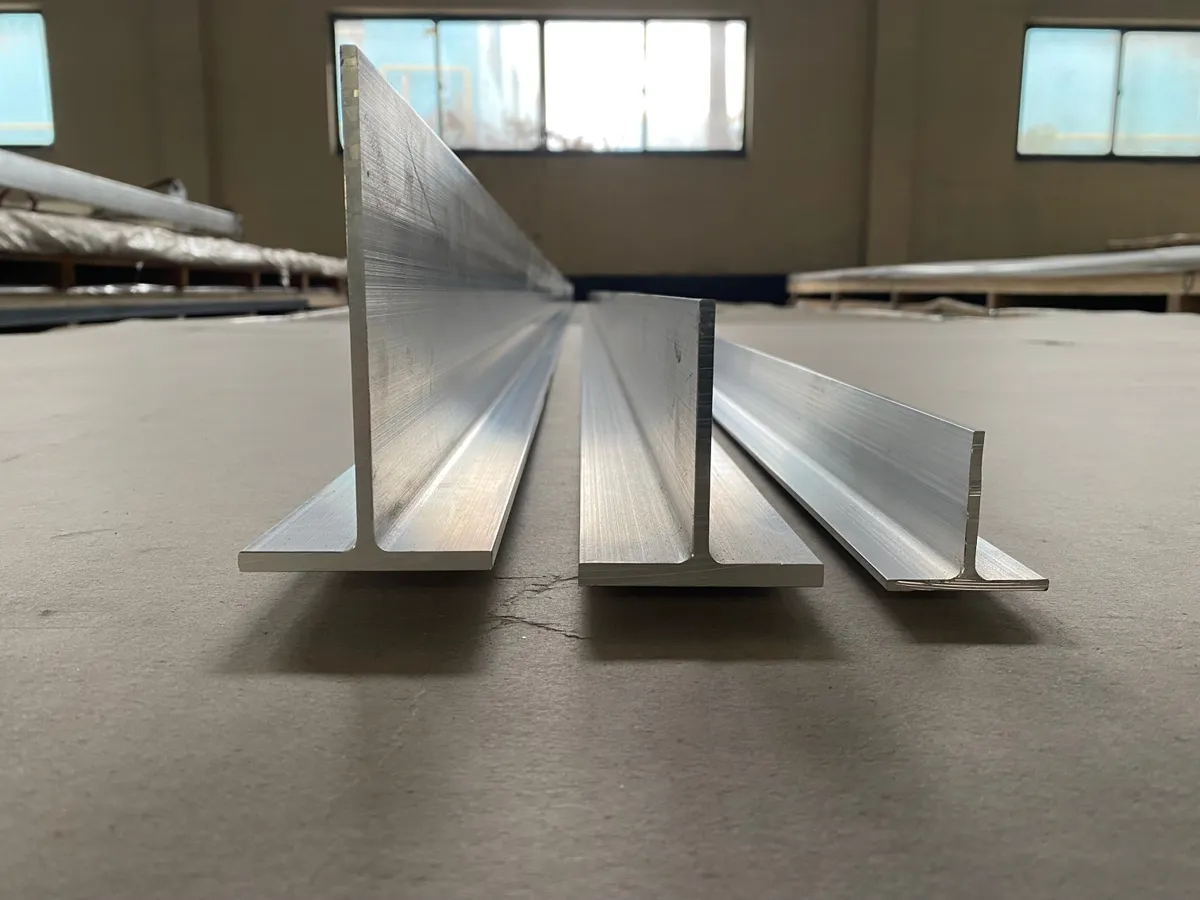
Primary Use: Main deck beams, longitudinal frames, and engine bed mounts.
Metallurgical Traits: Heat-treatable Al-Mg-Si alloy providing maximum structural yield strength among standard extrusions.
Specification: Alloy 6082 · Temper T6 / T651 · EN 755 standard.
View extrusion specs →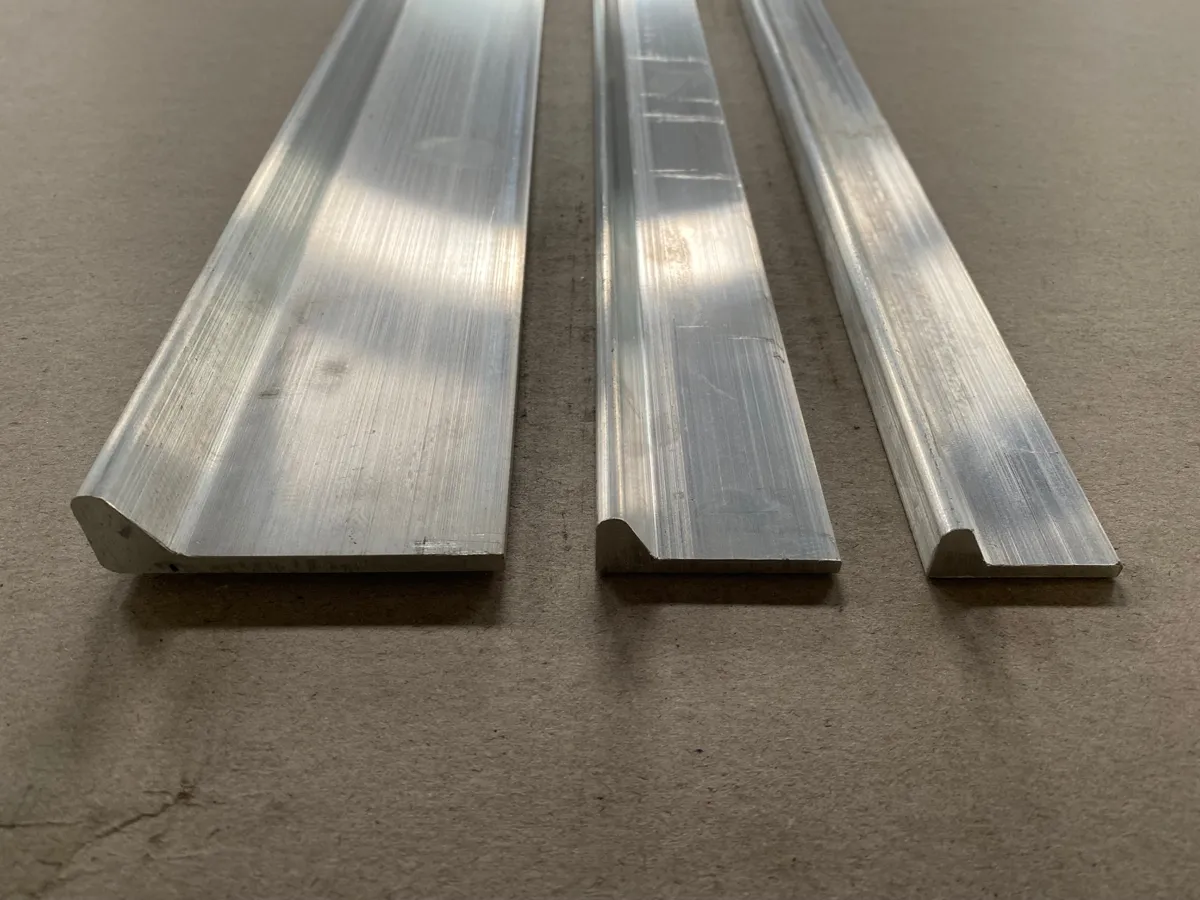
Primary Use: Longitudinal stiffeners welded directly to hull plates and deck panels.
Metallurgical Traits: Asymmetrical bulb geometry provides high torsional buckling resistance compared to standard flat bars.
Specification: Alloys 6061-T6 and 6082-T6 · Standard ship dimensions.
View bulb flat details →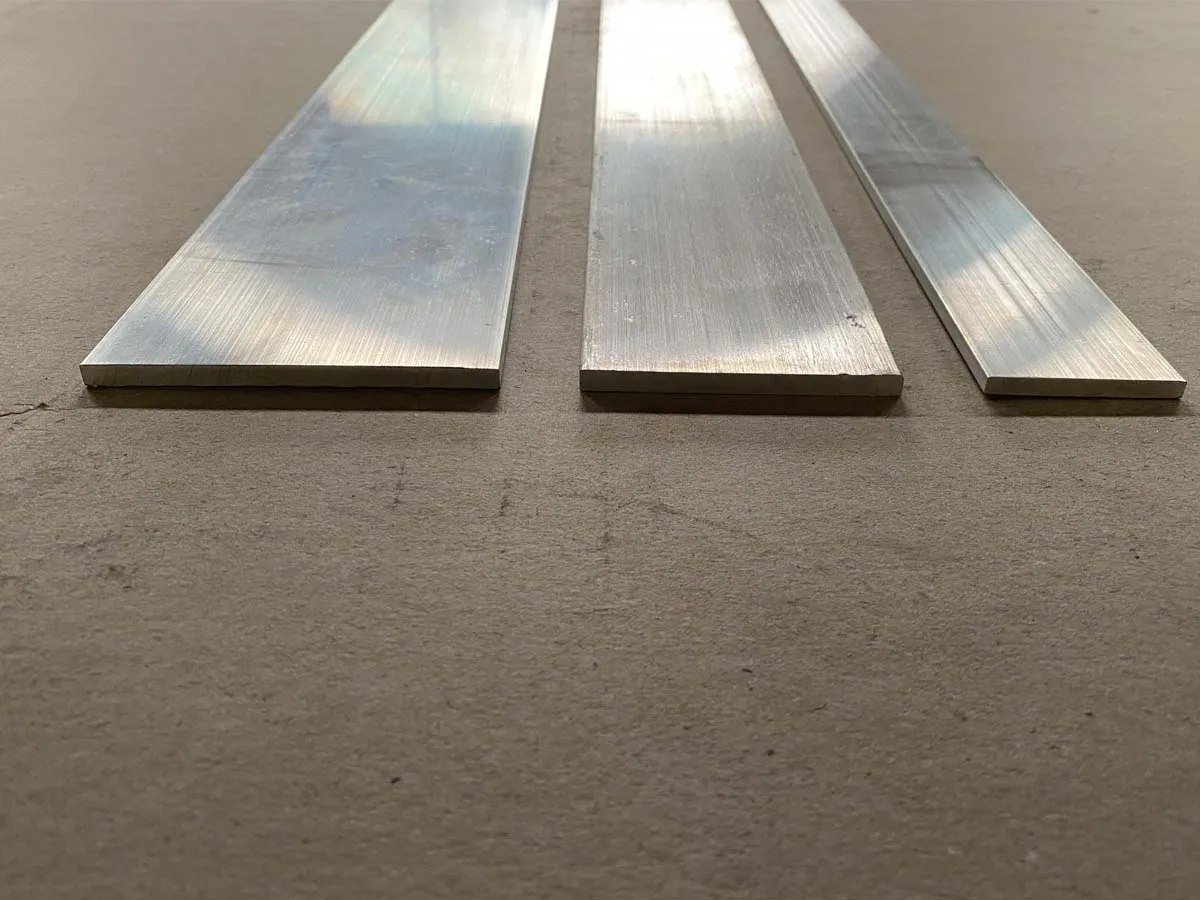
Primary Use: Flange backing rings, mounting pads, sealing gaskets, and frame reinforcement brackets.
Metallurgical Traits: Smooth surface finish with tight dimensional tolerances and uniform edge condition.
Specification: Alloys 5052, 5083, and 6061 · Custom cut-to-length flat bars.
View flat aluminum specs →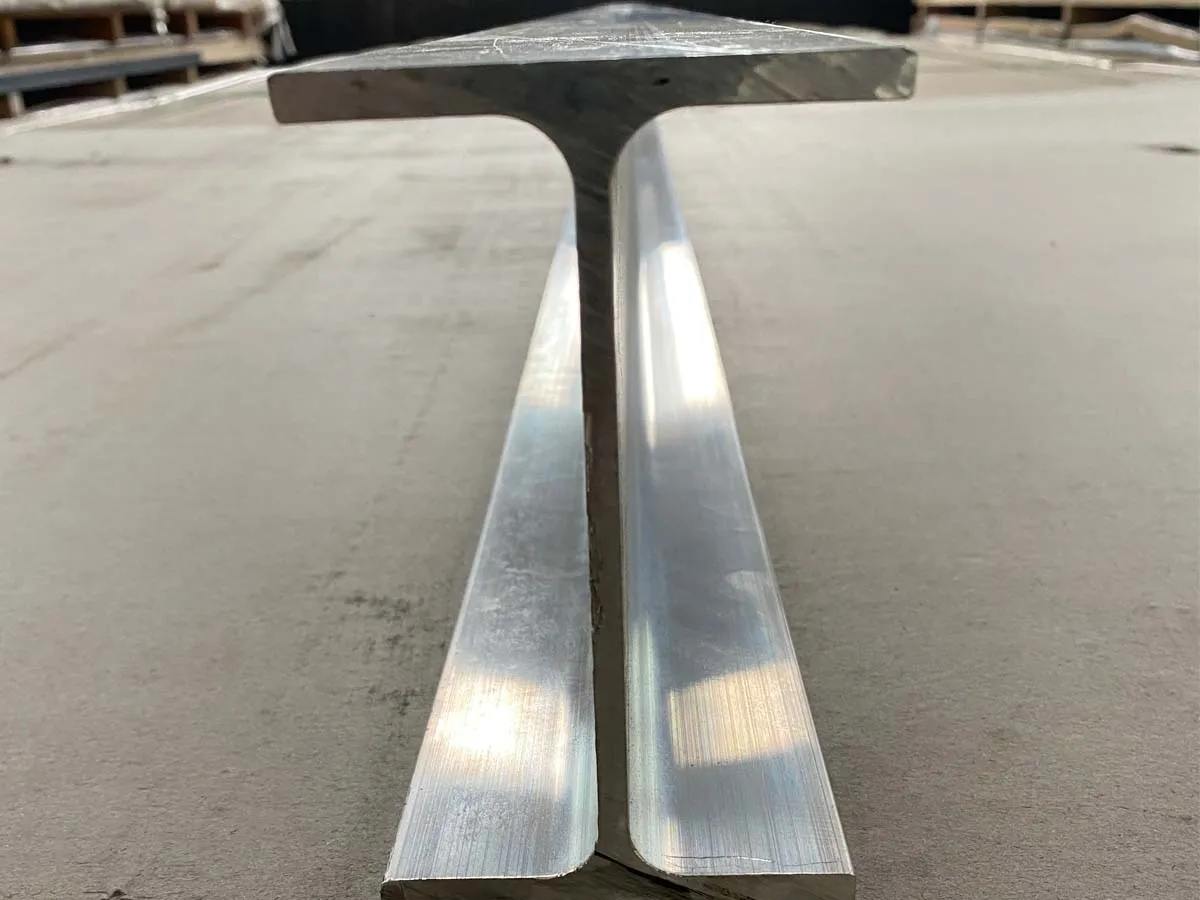
Primary Use: Heavy-duty main structural columns, keel supports, and superstructure load beams.
Metallurgical Traits: High cross-sectional area optimization ensuring maximum load transfer capacity.
Specification: Alloy 6061-T6 / 6082-T6 · Structural engineering profiles.
View H-type profile specs →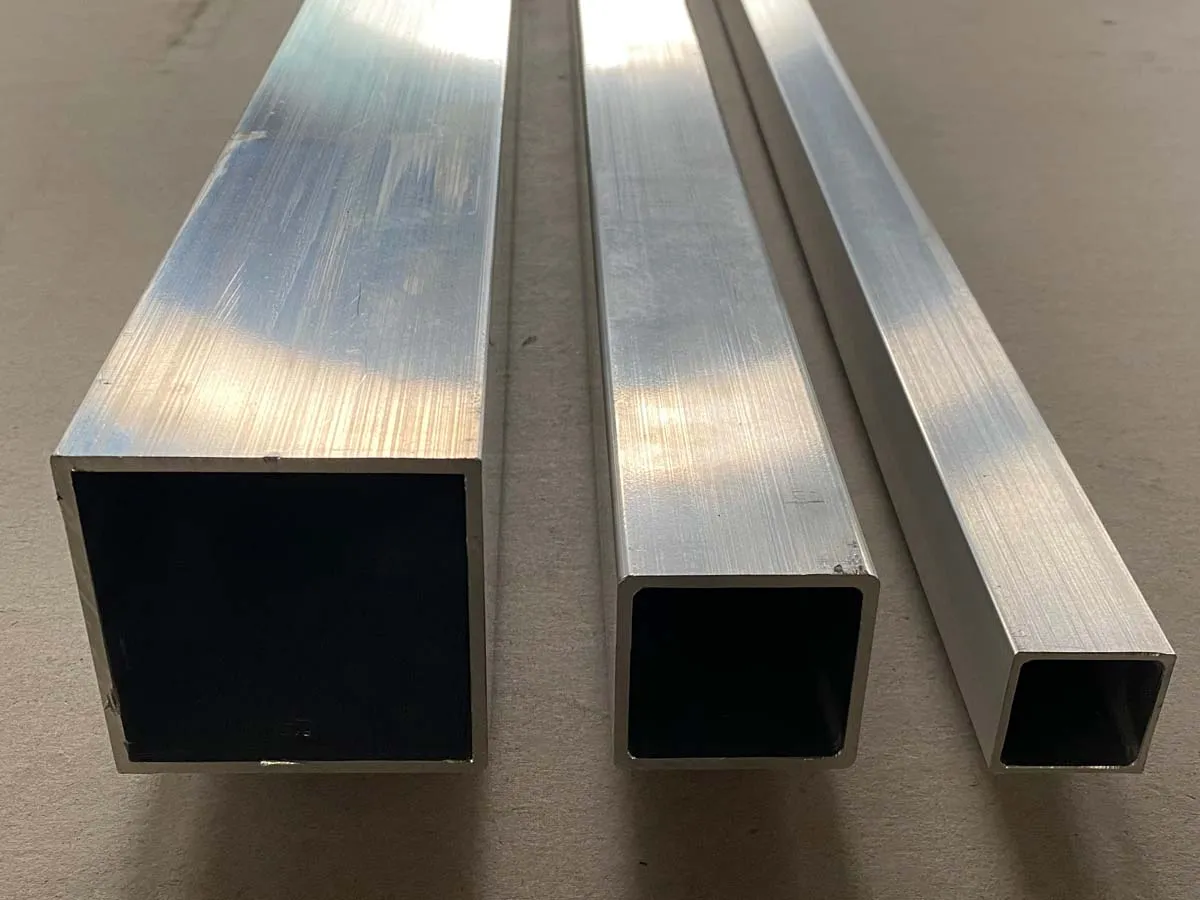
Primary Use: Handrails, ladder structures, mast frames, and equipment mounting skids.
Metallurgical Traits: Seamless or structural welded hollow sections providing high multi-axis torsional stiffness.
Specification: Alloys 6061-T6 / 5083-H111 · Precision wall thicknesses.
View square tube specs →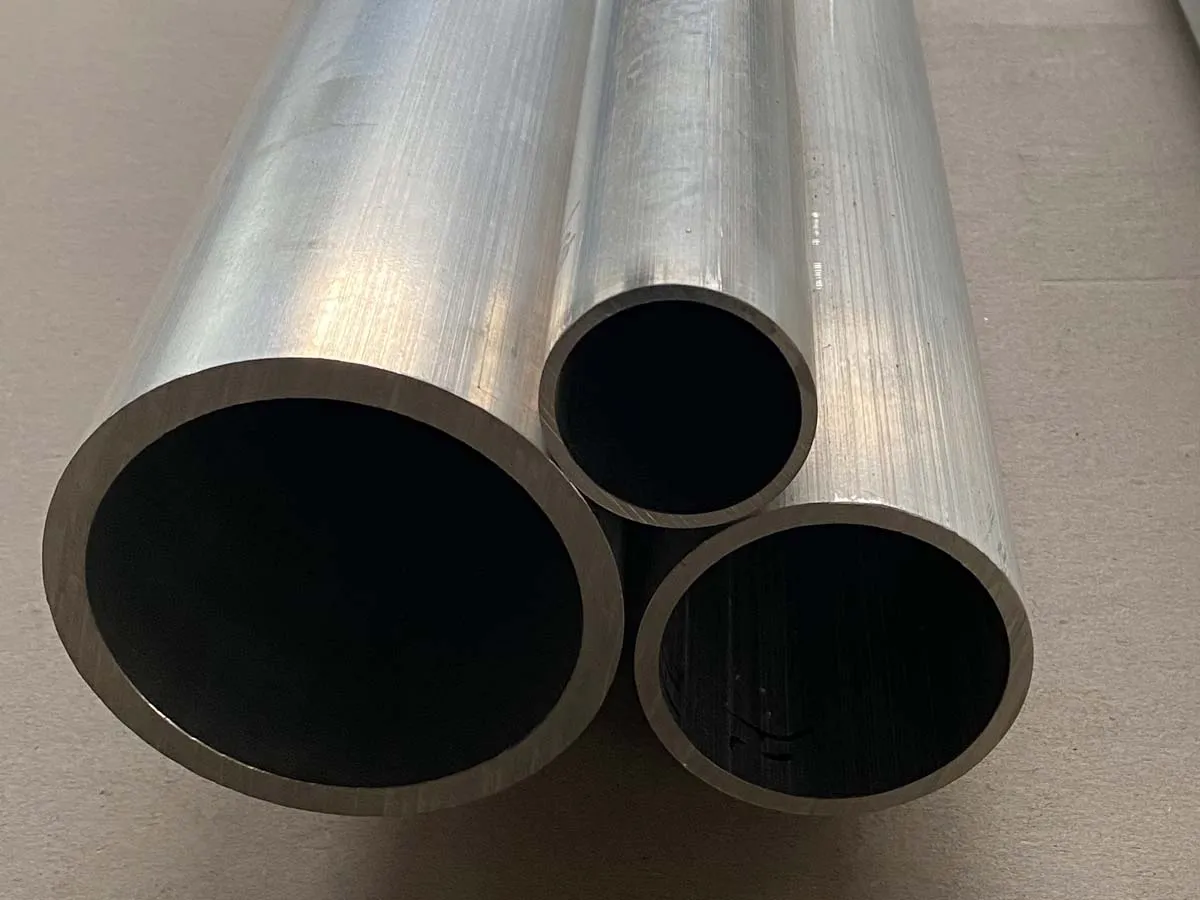
Primary Use: Structural columns, hydraulic fluid protection sleeves, and custom marine piping branches.
Metallurgical Traits: Smooth internal bore and superior resistance to environmental pitting.
Specification: ASTM B221 / EN 755-7 standards · Custom diameters.
View marine tube specs →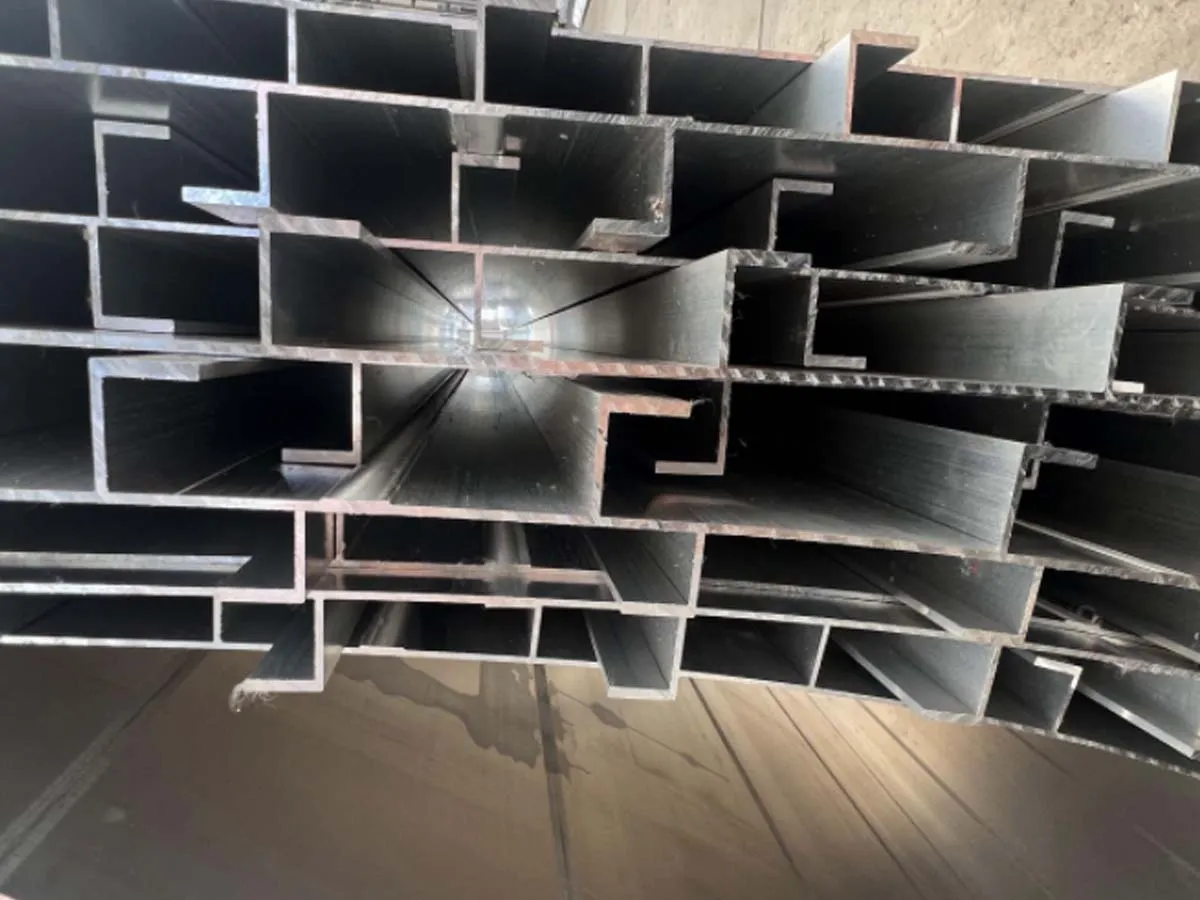
Primary Use: Pre-welded or integrated stiffened plate panels for ship decks, bulkheads, and side shell construction.
Metallurgical Traits: Engineered to reduce manual shipyard welding hours while optimizing panel weight-to-strength ratios.
Specification: Alloys 5083-H116 / 5383-H321 custom configurations.
View stiffener panel specs →
Primary Use: Bulkhead reinforcement ribs and framing webs.
Metallurgical Traits: Uniform dimensional tolerances ensuring seamless fit-up during shipyard assembly.
Specification: Alloys 6061 / 6082 · Custom cut lengths available.
View profile specs →Engineered for seawater circulation, ballast handling, and utility piping circuits, our complete line of aluminum and copper-nickel fittings ensures leak-proof performance under high vibrational loads.
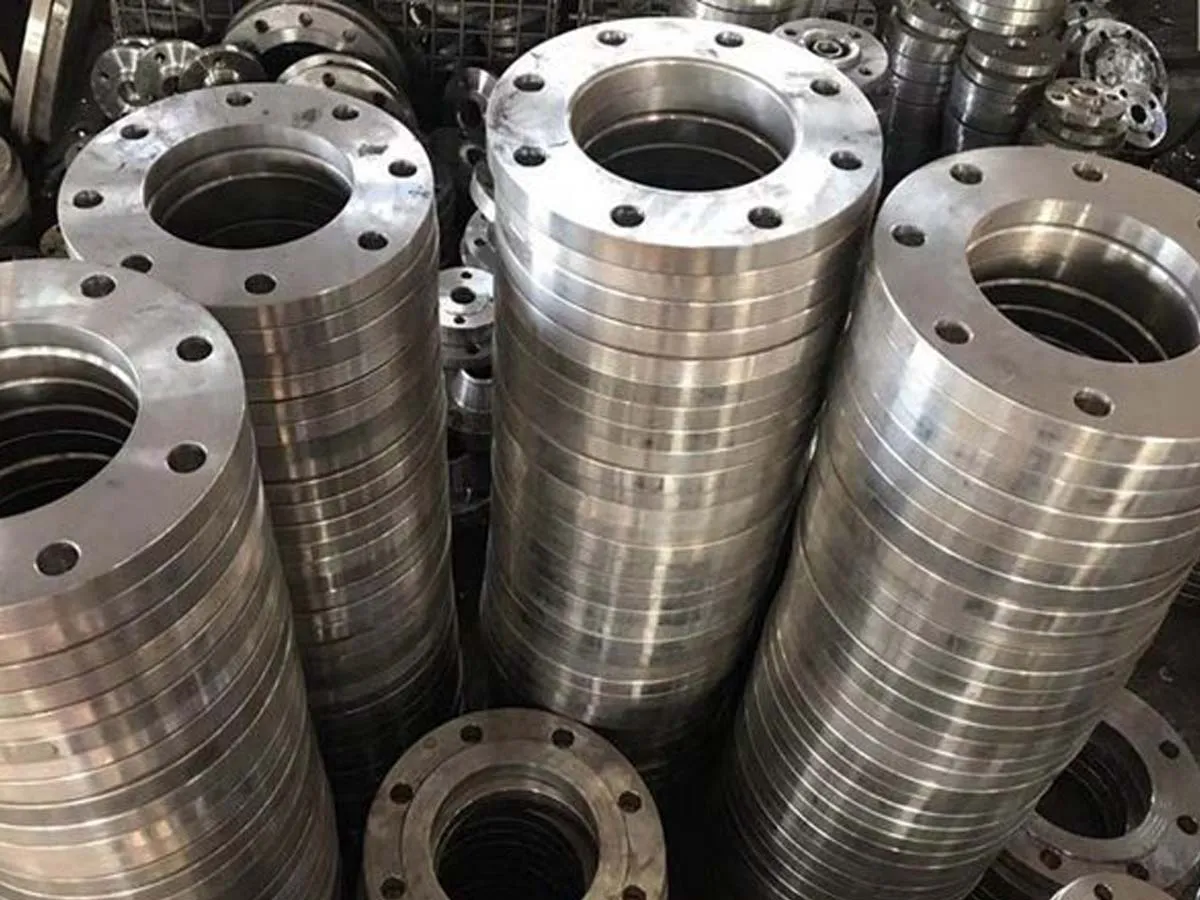
Primary Use: Bolted pipe connections in non-critical seawater and freshwater auxiliary lines.
Metallurgical Traits: Machined from forged 6061-T6 or 5083 blocks, providing high clamping resistance and corrosion stability.
Specification: ANSI / ASME B16.5 and EN 1092-1 dimensions.
View flange specs →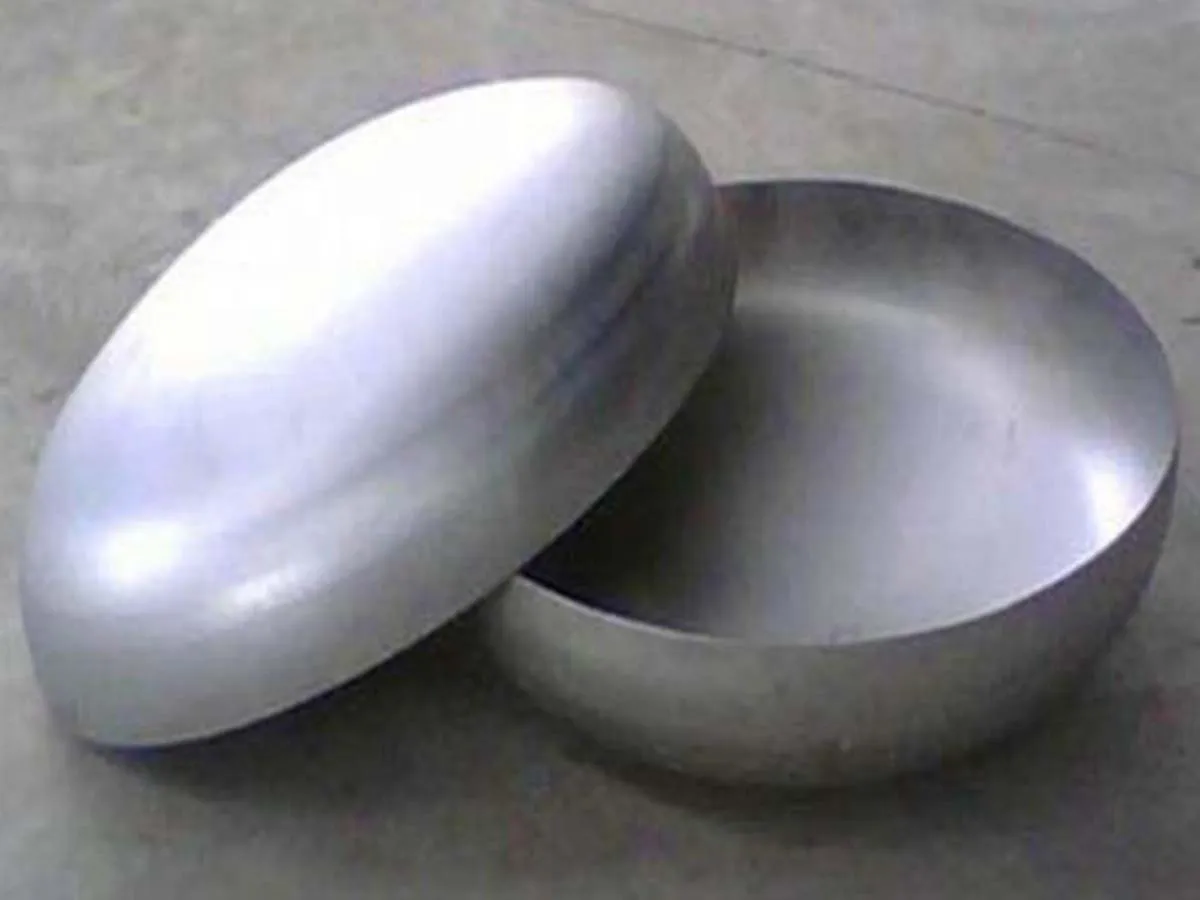
Primary Use: Permanent or temporary end closures for marine piping manifolds and headers.
Metallurgical Traits: Seamless formed caps ensuring pressure containment equal to adjacent pipe walls.
Specification: Alloy 6061 / 5083 · Butt-weld and socket configuration.
View pipe cap specs →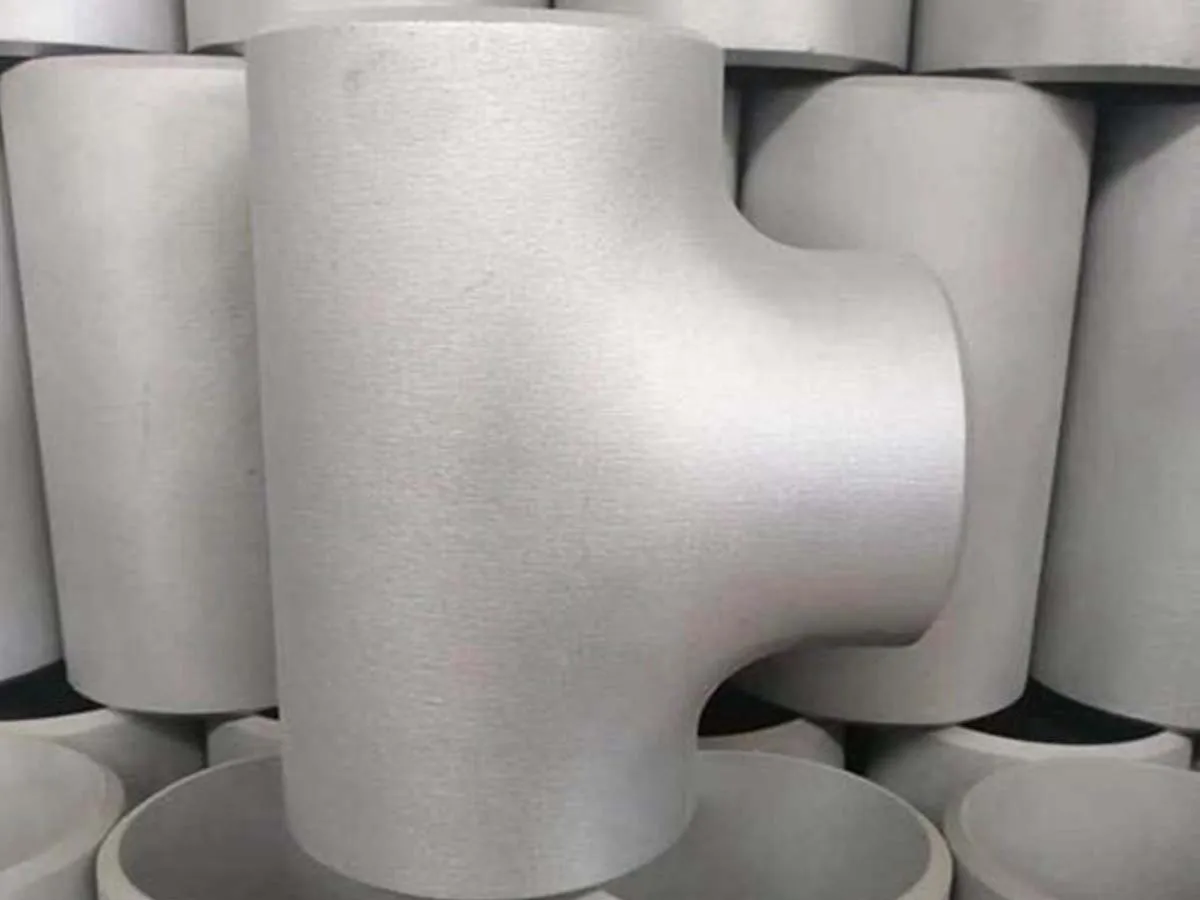
Primary Use: Branching fluid lines in marine engine cooling and auxiliary plumbing systems.
Metallurgical Traits: Optimized junction thickness design minimizing turbulence and pressure drops.
Specification: ASTM / ASME marine specifications.
View tee specs →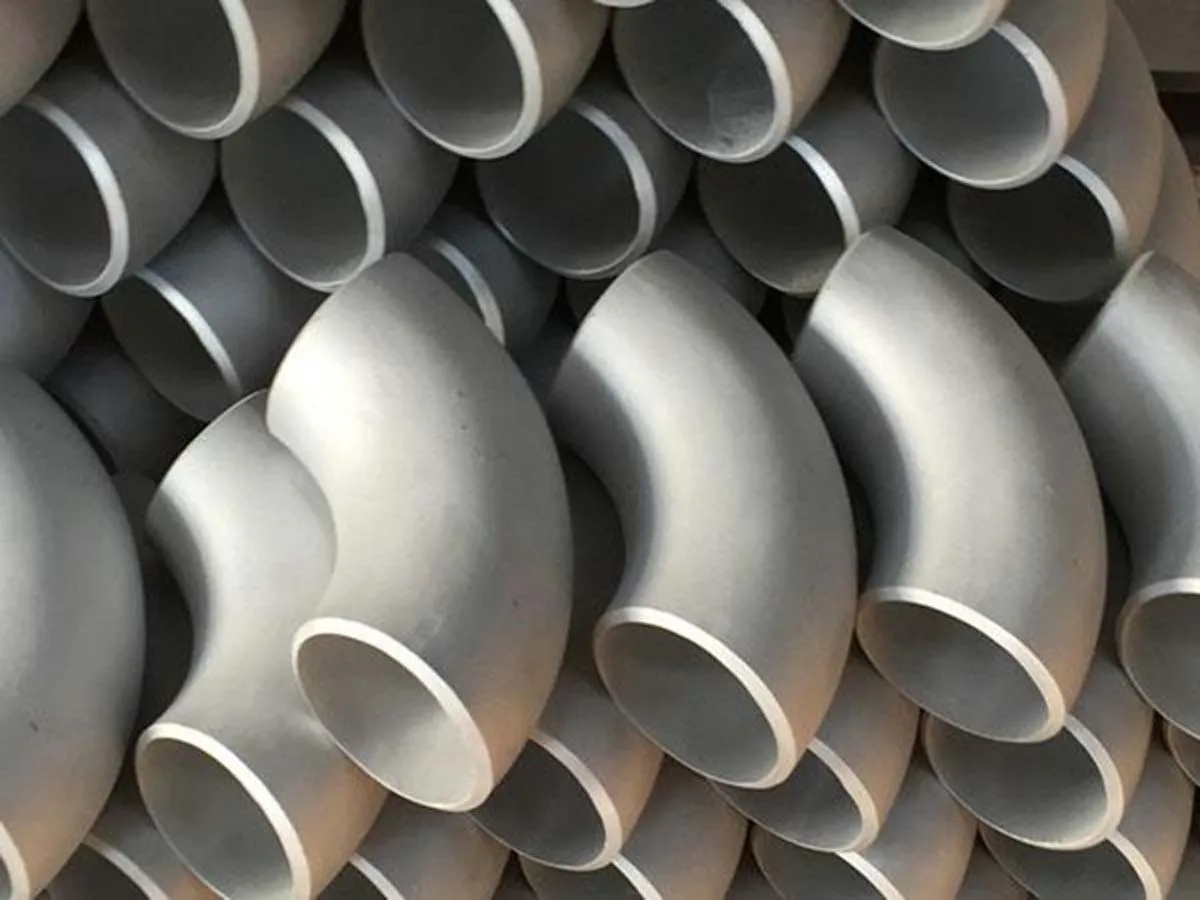
Primary Use: Smooth redirection of flow through tight shipyard machinery spaces.
Metallurgical Traits: Mandrel-bent or cast configurations preventing wall thinning at outer radiuses.
Specification: Alloy 6061-T6 / 5083 · Seamless build.
View elbow specs →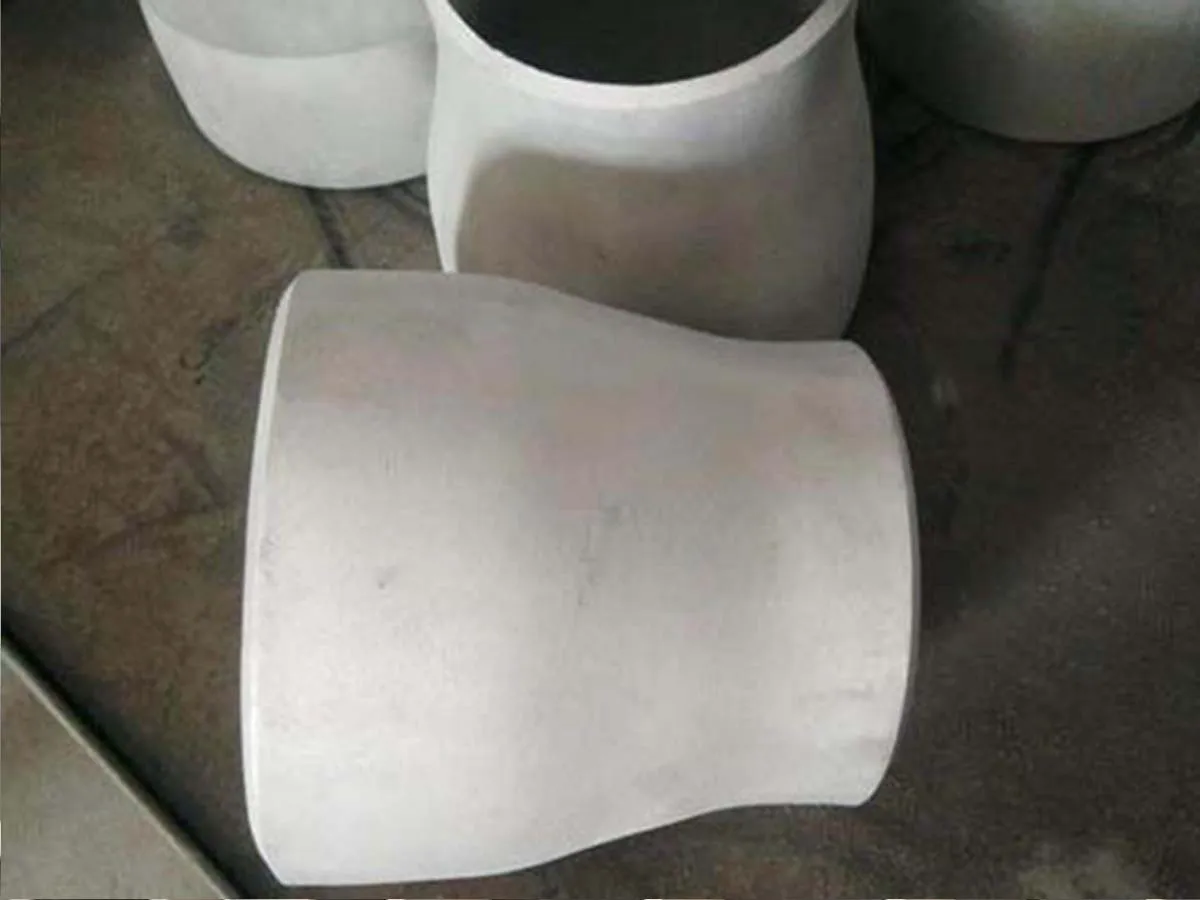
Primary Use: Stepping pipe diameters between pumps, valves, and main headers.
Metallurgical Traits: Smooth internal transitions preventing cavitation and particle accumulation.
Specification: Marine dimensional standards.
View reducer specs →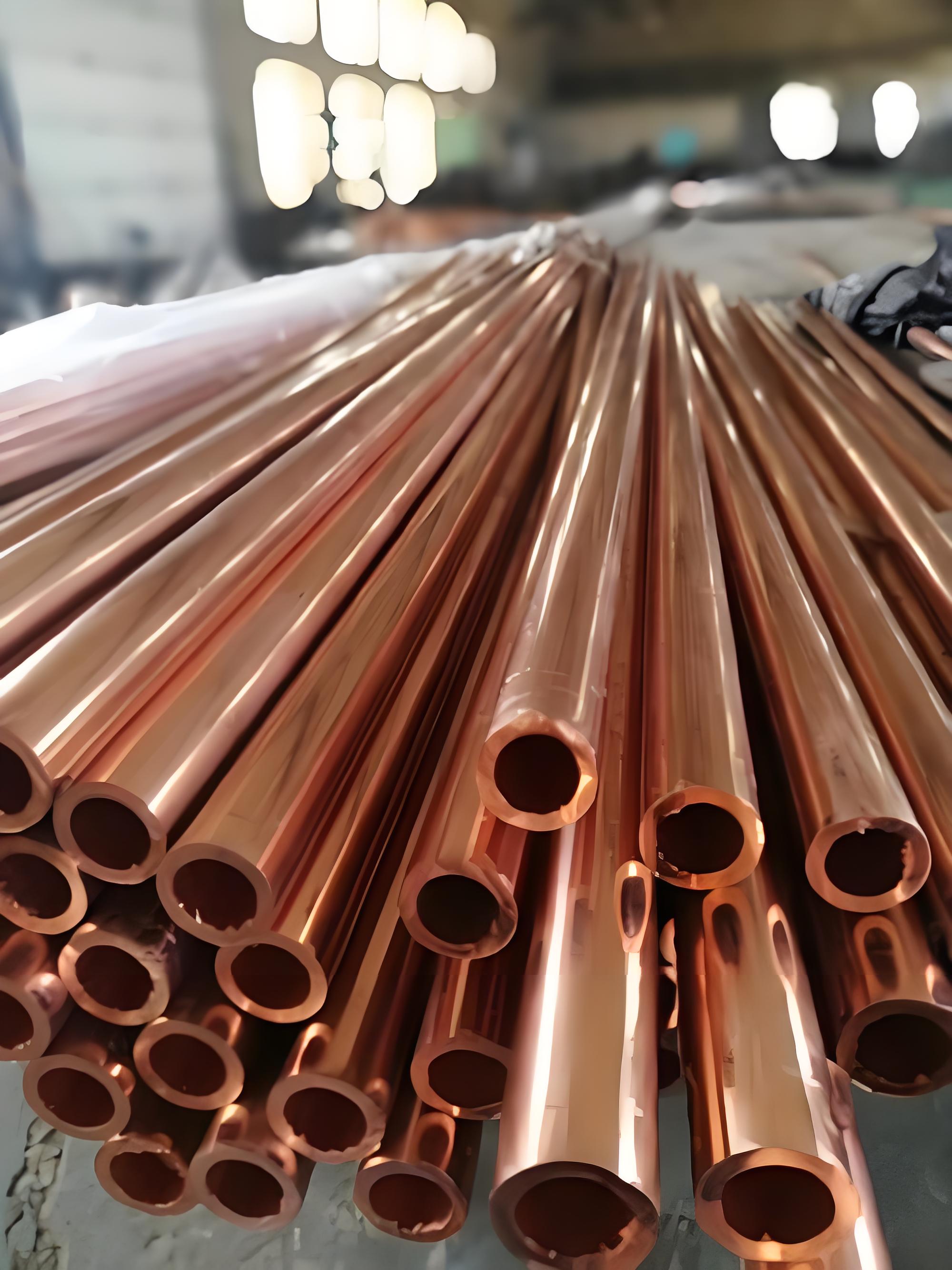
Primary Use: Main seawater cooling lines, intake trunks, and heat exchanger loops.
Metallurgical Traits: CuNi 90/10 (C70600) and CuNi 70/30 (C71500) form a protective surface oxide film.
Specification: ASTM B466 / ASME SB466 seamless and welded configurations.
View Cu-Ni pipe specifications →Complementing our aluminum systems, C70600 (90/10) copper-nickel components offer exceptional resistance to bio-fouling and velocity-induced erosion in seawater circuits.
Primary Use: Flow diversion and branching nodes in engine rooms.
Metallurgical Traits: Dimensionally stable fittings engineered to withstand high-pressure fluid hammer.
Specification: C70600 alloy · Socket weld and butt-weld designs.
View fitting specifications →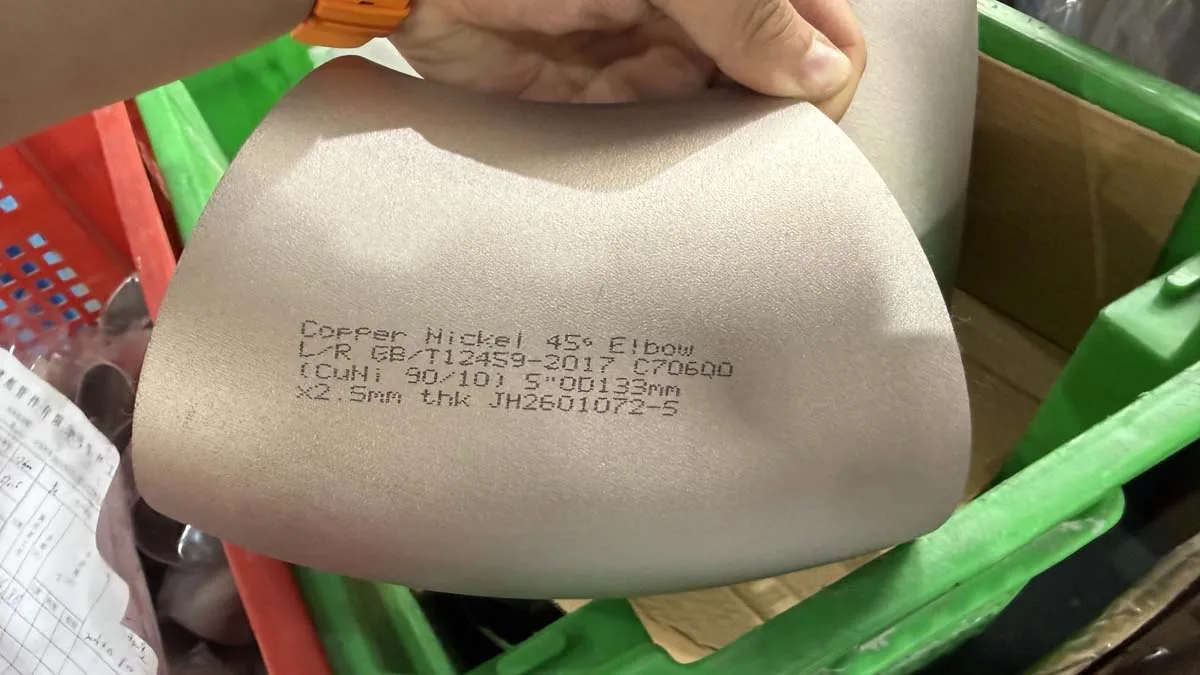
Primary Use: Smooth directional transitions in restricted piping layouts.
Metallurgical Traits: Minimized internal turbulence design reducing localized erosion at bends.
Specification: ASTM B467 / ASME SB467 standards.
View elbow specifications →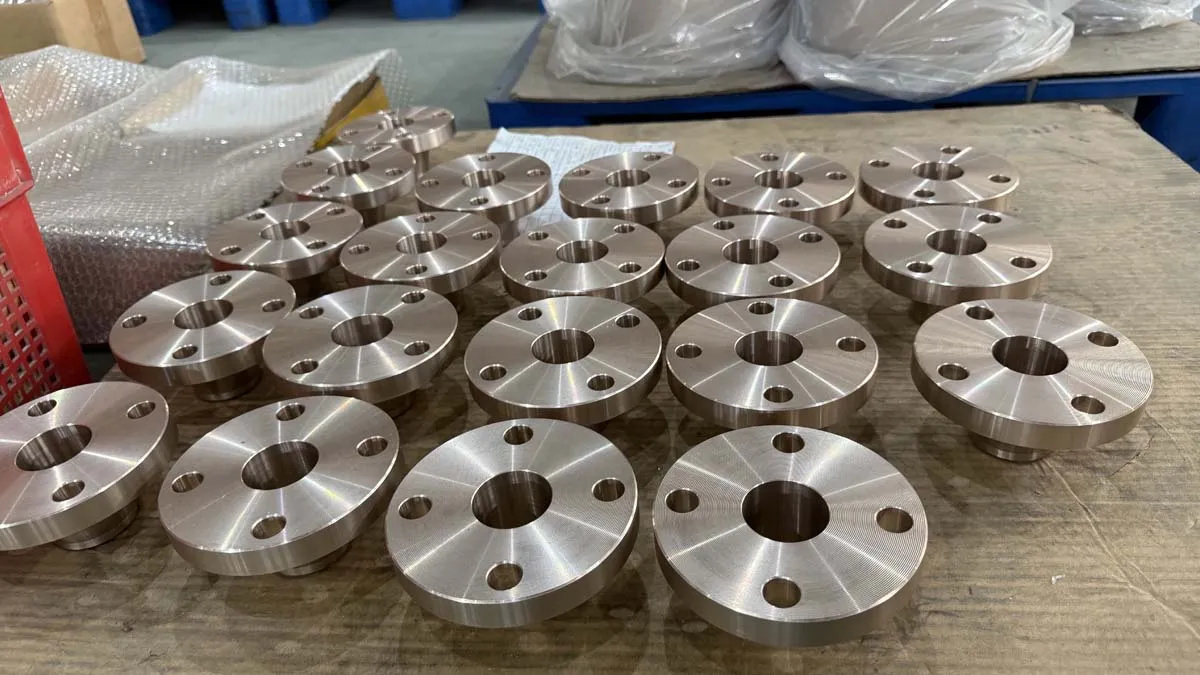
Primary Use: Bolted junctions connecting pumps, strainers, and hull valves.
Metallurgical Traits: Forged or plate-machined flanges offering high tensile strength under continuous vibration.
Specification: Available in Cu-Ni and specialized marine bronze configurations.
View flange specifications →Modern shipbuilding utilizes advanced welding consumables, bimetallic transition joints, and friction stir welded panels to bridge structural dissimilarities.
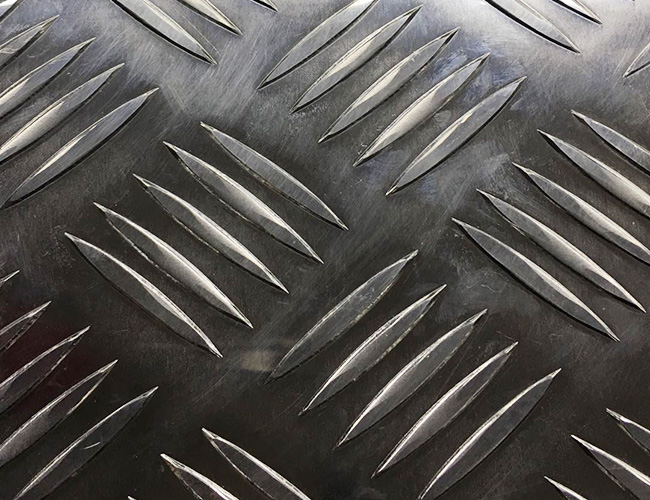
Primary Use: Walkways, engine room floor plates, helicopter landing pads, and exterior decks.
Metallurgical Traits: Diamond or quincunx raised pattern providing slip resistance under wet conditions.
Specification: Alloys 5083 and 5754 · Non-skid safety surfaces.
View checker plate specs →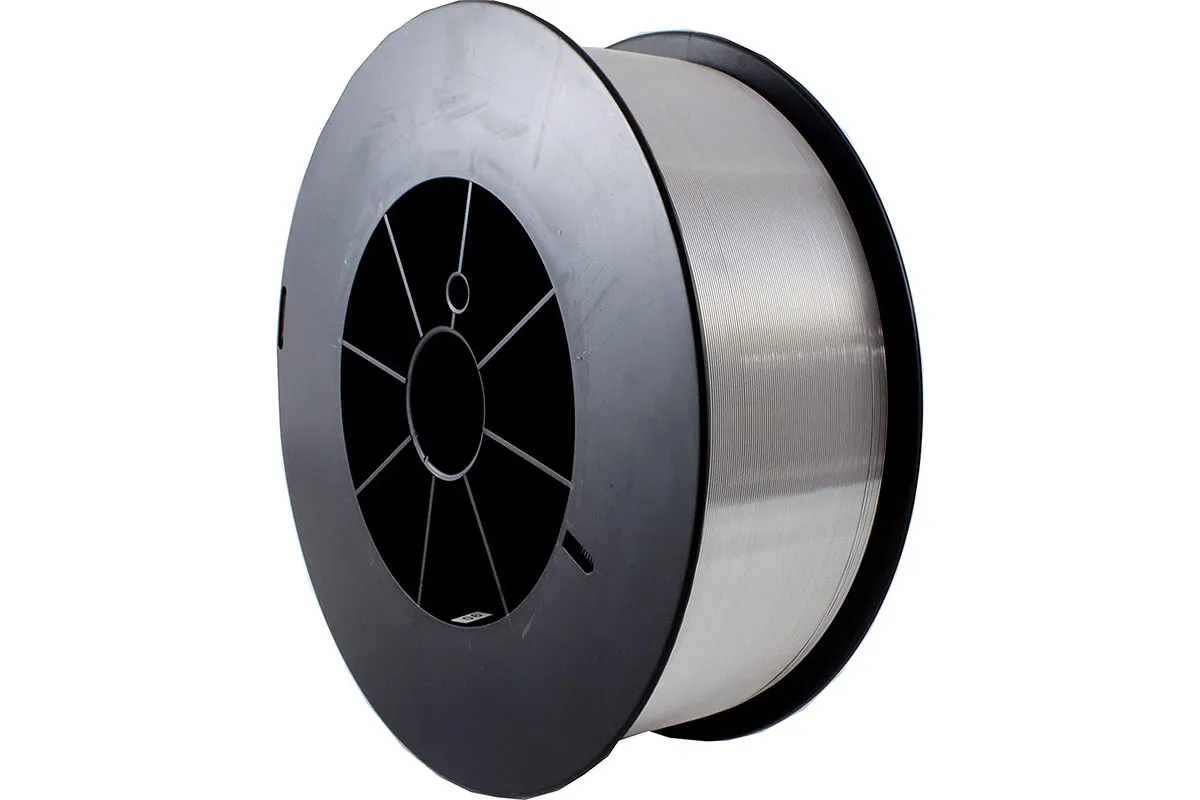
Primary Use: MIG and TIG welding filler metals for 5xxx series aluminum structures.
Metallurgical Traits: High magnesium content matching base plate mechanical properties and corrosion resistance.
Specification: AWS A5.10 / EN ISO 18273 consumable standards.
View welding wire specs →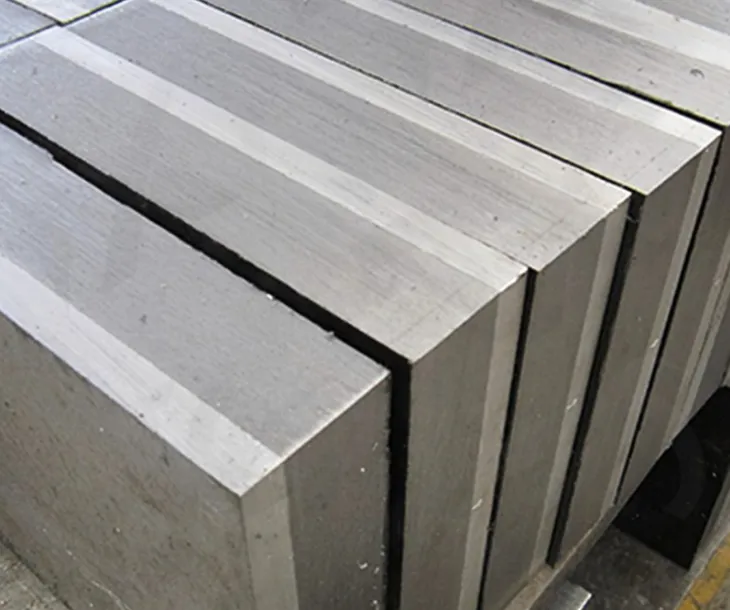
Primary Use: Hull-to-superstructure transition joints (welding aluminum superstructures onto steel hulls).
Metallurgical Traits: Explosion-welded metallurgical interlayer preventing brittle intermetallic compound formation.
Specification: Custom transition joints tailored to classification drawings.
View clad plate specs →
Primary Use: Large flat deck panels, catamaran tunnel sections, and ferry hulls.
Metallurgical Traits: Solid-state joining technology eliminating porosity, cracking, and loss of tensile strength.
Specification: Large-format custom extrusions and panel assemblies.
View FSW panel specs →Comparative technical metrics of mechanical properties, nominal compositions, and primary shipbuilding use cases.
| Alloy & Temper | Nominal Composition | Tensile Strength (MPa) | Yield Strength (MPa) | Primary Marine Application |
|---|---|---|---|---|
| 5083-H116 | Al - 4.4Mg - 0.7Mn | ≥ 305 | ≥ 215 | Primary hull plates, underwater shell plating |
| 5083-H321 | Al - 4.4Mg - 0.7Mn | ≥ 305 | ≥ 215 | Formed superstructures, wheelhouses |
| 5086-H116 | Al - 4.0Mg - 0.4Mn | ≥ 275 | ≥ 190 | Patrol boat hulls, tanks, structural ribs |
| 5059-H116 | Al - 5.5Mg - 0.8Mn | ≥ 330 | ≥ 240 | High-speed interceptors, high-stress bulkheads |
| 5383-H321 | Al - 4.7Mg - 0.8Mn | ≥ 305 | ≥ 220 | Fast ferries, lightweight marine assemblies |
| 6082-T6 | Al - 1.0Si - 0.7Mg - 0.5Mn | ≥ 310 | ≥ 295 | Load-bearing structural extrusions, bulb flats |
Selecting the correct marine aluminum alloy requires balancing corrosion resistance, mechanical strength, weldability, fabrication requirements, and vessel design conditions. The most commonly evaluated alloys for marine applications include 5083, 5086, 6061, and 6082 aluminum alloys.
| Alloy | Material Type | Corrosion Resistance | Weldability | Strength Characteristics | Typical Marine Applications |
|---|---|---|---|---|---|
| 5083-H116 | Al-Mg-Mn Marine Plate | Excellent | Excellent | High strength after welding | Hull plates, bulkheads, deck structures |
| 5086-H116 | Al-Mg Marine Alloy | Excellent | Excellent | Medium-high strength, good toughness | Workboats, patrol boats, marine tanks |
| 6061-T6 | Al-Mg-Si Heat Treatable Alloy | Good | Moderate | High tensile strength and machinability | Frames, brackets, machined components |
| 6082-T6 | Al-Mg-Si Structural Extrusion Alloy | Good | Good | Higher structural strength for extrusion applications | Beams, profiles, stiffeners |
5083 and 5086 are both widely used marine aluminum alloys. The selection depends on structural requirements, vessel type, and fabrication conditions.
Recommended For:
Primary hull structures,
side shells,
deck plates,
bulkheads.
Main Advantages:
- Higher structural strength
- Excellent seawater corrosion resistance
- Widely specified for welded ship structures
Recommended For:
Workboats,
patrol vessels,
marine tanks,
fabricated components.
Main Advantages:
- Excellent toughness
- Good weldability
- Reliable corrosion resistance
The main difference between 5xxx and 6xxx series aluminum alloys is their engineering purpose. 5xxx series alloys are generally preferred for welded marine plates because of corrosion resistance and weld performance. 6xxx series alloys are commonly selected for structural profiles, frames, and machined components because of their heat-treatment strength.
| Comparison | 5083 | 6061 | 6082 |
|---|---|---|---|
| Primary Form | Plate / Sheet | Plate / Extrusion | Extrusion / Structural Profile |
| Marine Hull Suitability | Excellent | Limited | Limited |
| Welding Performance | Excellent | Good | Good |
| Structural Profiles | Limited | Good | Excellent |
| Common Usage | Hull, deck, bulkhead | Frames, brackets | Beams, stiffeners, extrusions |
Visual documentation of our heavy manufacturing capabilities, inventory warehousing, precision cutting lines, inspection protocols, and export-grade packaging.
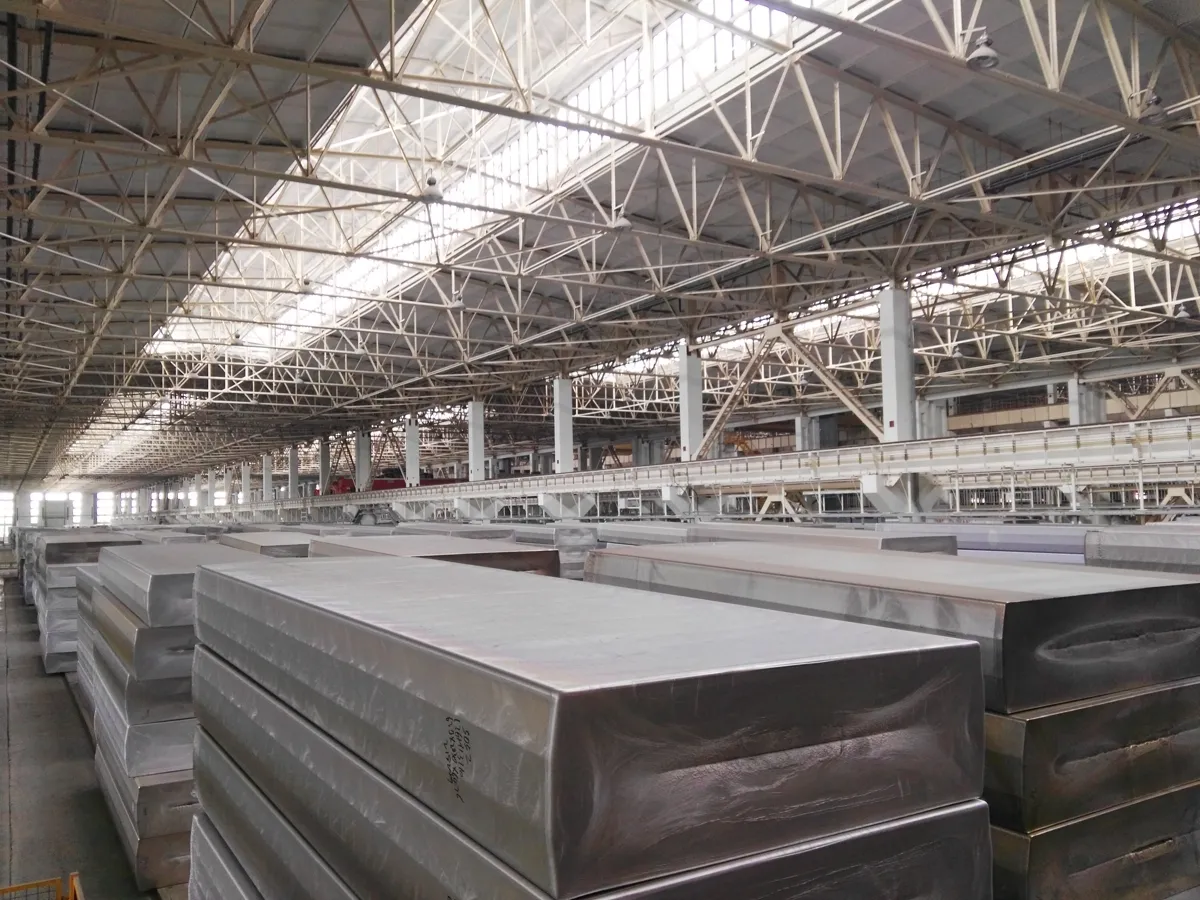
Context: Indoor climate-controlled heavy plate storage holding over 5,000 metric tons of certified 5xxx series marine plates ready for immediate dispatch.
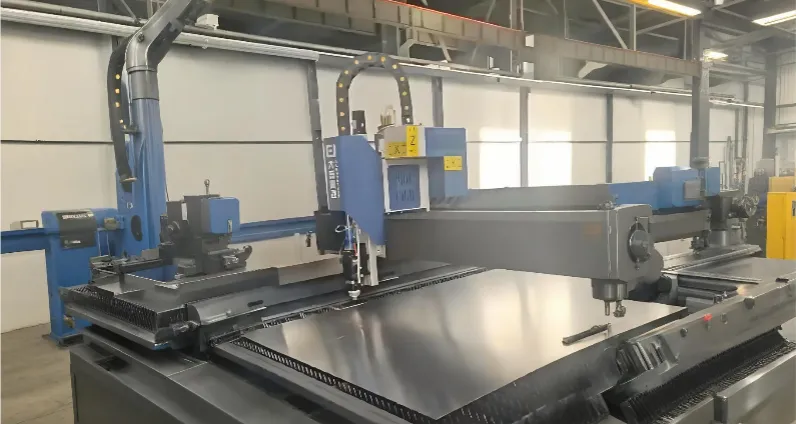
Context: High-precision underwater plasma and laser cutting lines yielding clean edges, zero thermal distortion, and exact shipyard cut-to-size tolerances.
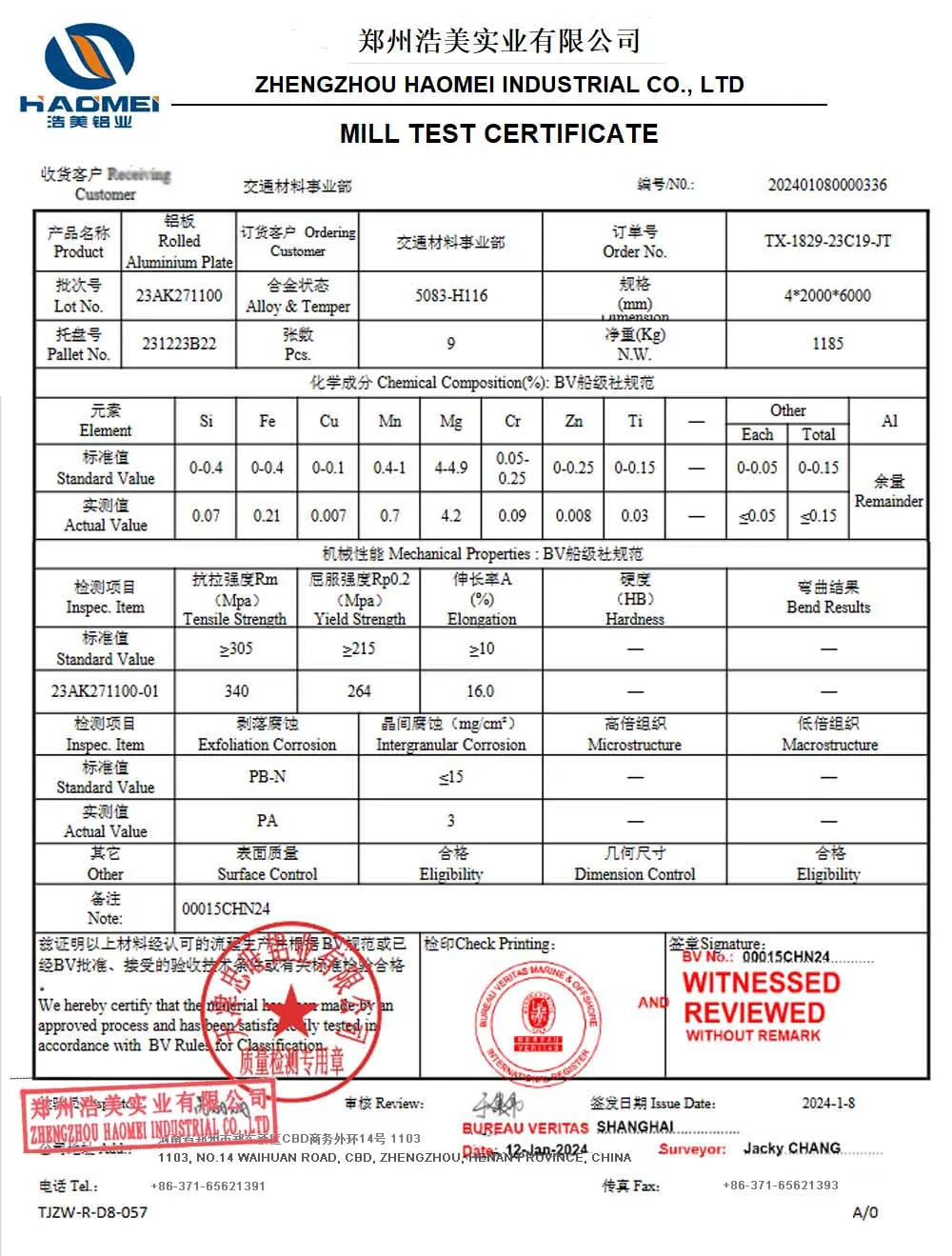
Context: EN 10204 3.1 Mill Test Certificate sample (sensitive client identifiers redacted), verifying batch chemical composition and mechanical test limits.
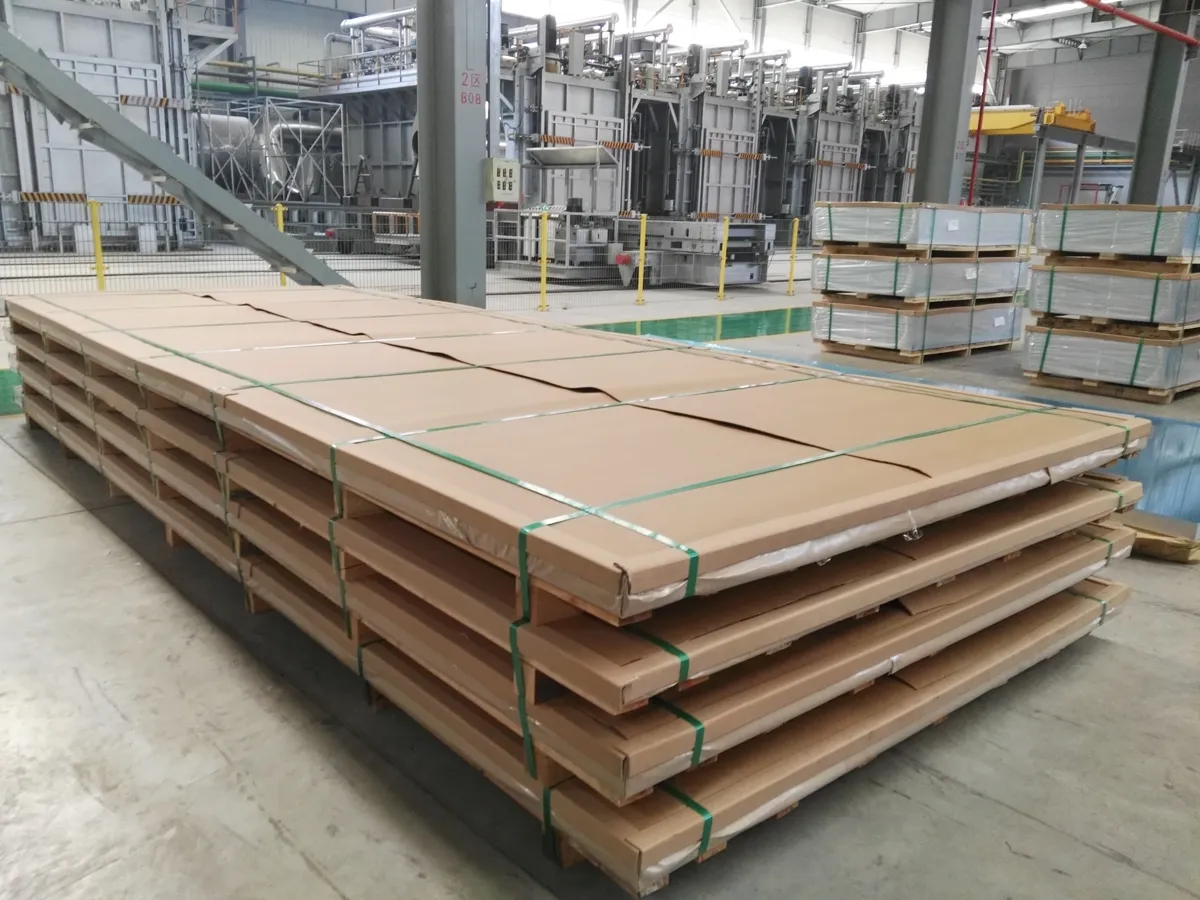
Context: Interleave paper protection, moisture-barrier wrapping, and fumigation-free wooden crating designed to withstand long-haul ocean freight.
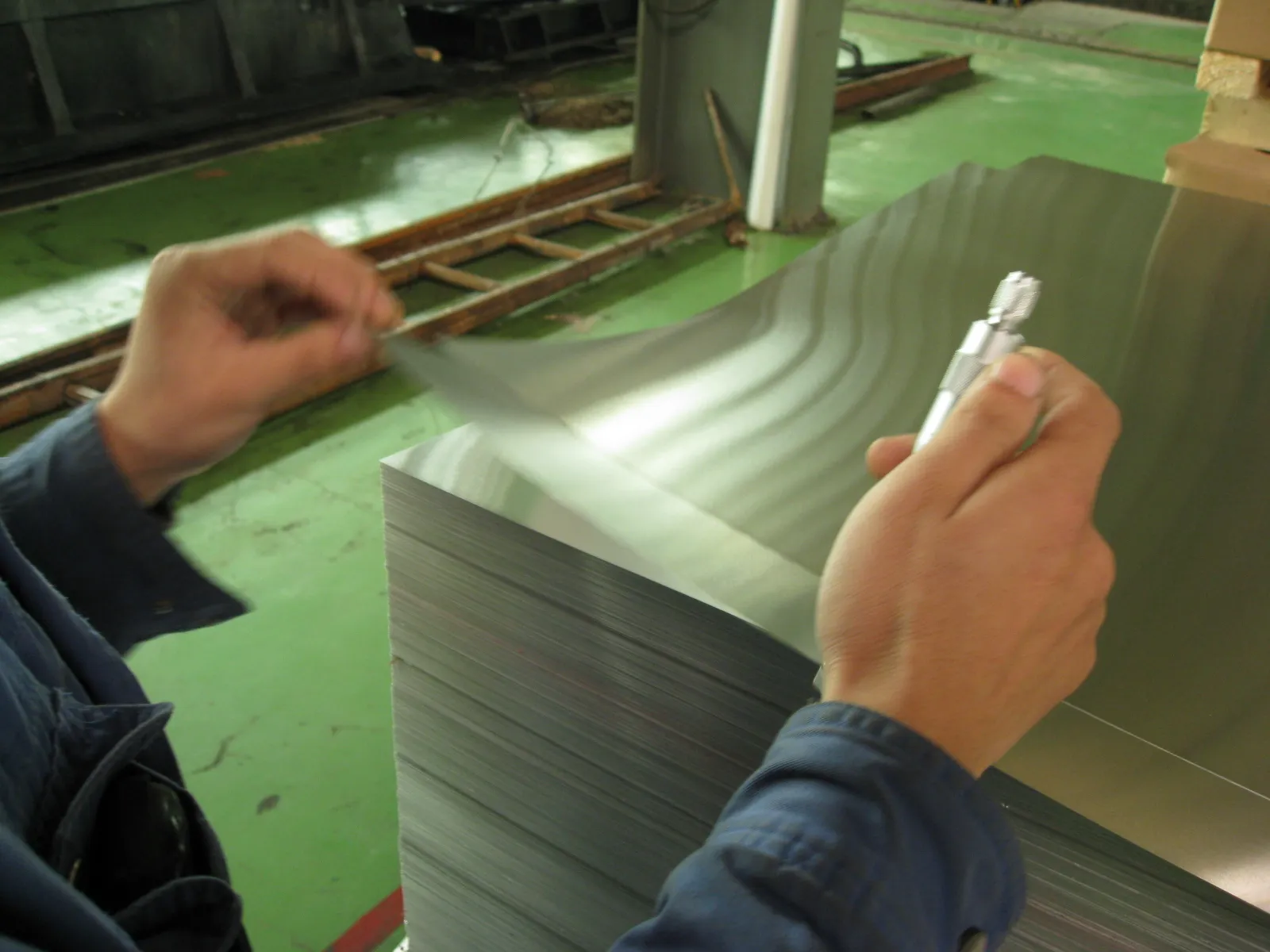
Context: On-site metallurgical verification, ultrasonic internal defect scanning, and dimensional inspection conducted before final release.
To ensure compliance with maritime regulatory bodies and avoid construction downtime, verify the following parameters before issuing mill purchase orders:
Confirm that structural hull plates are specified as 5083-H116 or H321 (per ASTM B928) rather than general commercial grades (like 1050 or 6061) to guarantee saltwater longevity.
Ensure suppliers provide an **EN 10204 3.1 Test Certificate** containing exact heat analysis, magnesium percentage verification, and destructive tensile test values.
Check if the manufacturing mill holds valid third-party approvals (such as DNV, ABS, LR, BV, or CCS) matching your vessel's registry requirements.
Specify strict plate flatness and edge straightness requirements to facilitate automated CNC plasma or laser cutting and minimize shipyard fit-up waste.
Verify that plates feature interleaving paper protection and are secured in fumigation-free wooden crates with waterproof wrap to prevent white rust during sea freight.
Ensure every individual plate is stencil-marked with the alloy grade, temper, heat number, and manufacturer code for full shipyard quality tracking.
Haomei Aluminum collaborates directly with naval architecture firms, marine engineers, and shipyard procurement teams from initial design to final delivery:
Our metallurgical engineers review structural drawings to recommend optimal alloy tempers, thicknesses, and weight-saving extrusion profiles.
Beyond standard sheet sizes, we offer custom plate rolling lengths up to 16,000mm, precision saw-cutting, beveling, and friction stir welded panel assemblies.
Every production lot undergoes strict ultrasonic testing, corrosion resistance screening (ASTM G67), and physical property validation prior to release.
We coordinate global port-to-port maritime shipping with specialized dampening and anti-oxidation packaging, ensuring materials arrive at your shipyard ready for fabrication.
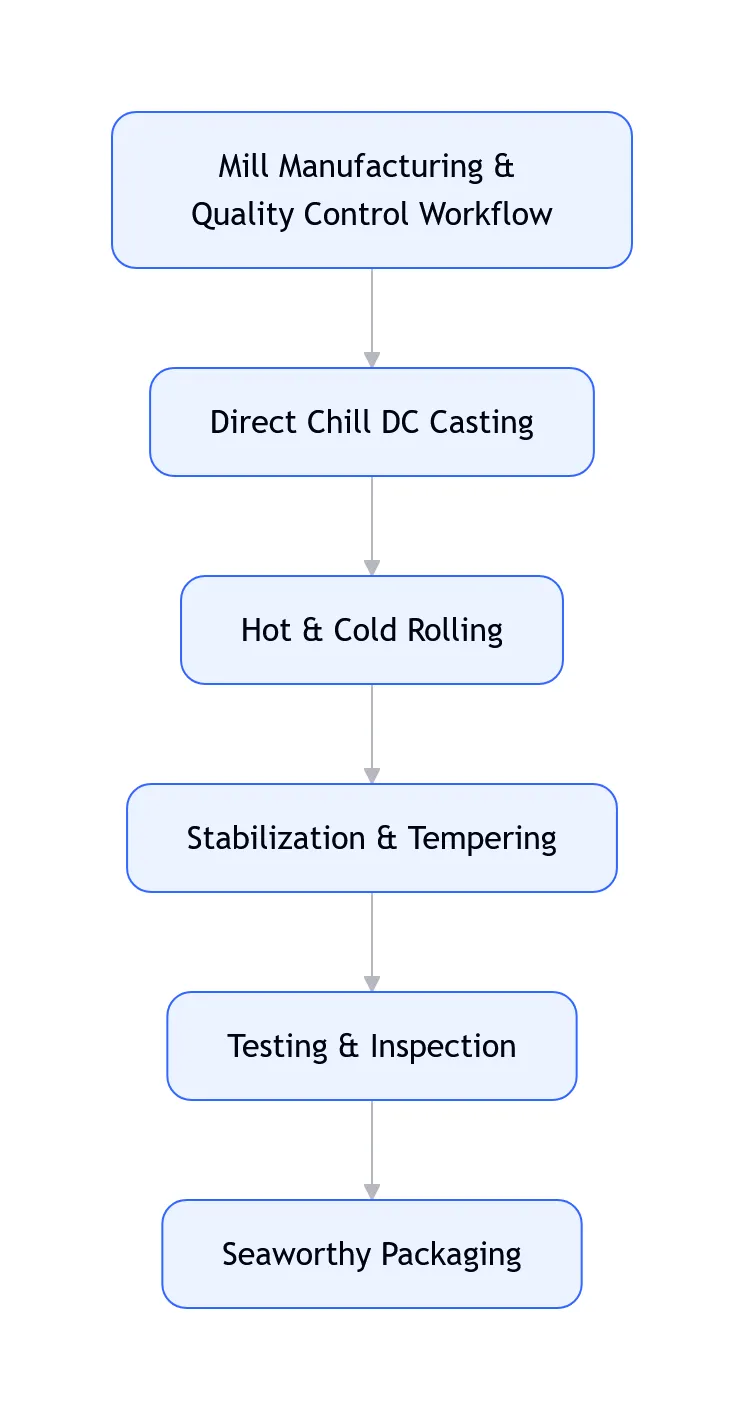
Melting and casting of specialized 5xxx alloy ingots with rigorous control over iron and silicon impurities.
Multi-stand rolling mills delivering uniform gauge reduction and fine grain structures.
Controlled thermal annealing (H116/H321) to eliminate susceptibility to stress corrosion cracking.
Spectrometric chemical analysis, destructive tensile testing, and internal ultrasonic defect scanning.
Interleave paper protection, fumigation-free wooden crating, and desiccants to prevent condensation during maritime shipping.
Marine aluminum alloys are selected for applications where lightweight construction, corrosion resistance, weldability, and long service life are required. From commercial vessels to offshore structures, aluminum materials help engineers reduce vessel weight while maintaining structural performance.
Common Materials:
5083-H116 Marine Aluminum Plate,
5086 Aluminum Plate,
6082-T6 Profiles
Engineering Application:
Used for hull shells,
deck structures,
frames,
and welded aluminum boat components.
Advantages:
- Lightweight hull construction
- Excellent seawater corrosion resistance
- Good welding performance
Typical Vessels:
Passenger ferries,
workboats,
service vessels,
small commercial ships.
Material Selection:
5083-H116 and 5083-H321 plates
are commonly used for welded structural sections.
Key Requirements:
Strength,
corrosion resistance,
fabrication reliability.
Typical Materials:
5383-H321 Marine Aluminum,
6082-T6 Extrusions.
Engineering Purpose:
Reduce vessel weight,
improve fuel efficiency,
and increase speed performance.
Common Components:
Hull panels,
superstructures,
support frames.
Applications:
Offshore equipment platforms,
marine modules,
support structures.
Material Requirements:
Long-term corrosion resistance,
structural reliability,
environmental durability.
Common Products:
Aluminum plates,
profiles,
tubes,
fabricated structures.
Recommended Materials:
5083,
5086,
5052 Marine Aluminum.
Why Aluminum:
Suitable for repeated exposure
to seawater environments
and demanding working conditions.
Applications:
Patrol boats,
fast response vessels,
special marine equipment.
Material Requirements:
High strength-to-weight ratio,
welded structure reliability,
corrosion resistance.
Selecting the correct marine grade depends on exposure conditions, fabrication techniques, and structural loading requirements. Follow this engineering selection framework:
For plates subject to permanent seawater immersion below the waterline, specify 5083-H116 or 5059-H116 tested for exfoliation corrosion resistance per ASTM G66/G67.
If extensive cold-forming or complex structural bending is required for superstructures, 5083-H321 or 5086 tempers provide optimal dimensional stability.
For high-load frames, deck beams, and longitudinal bulb flats, select heat-treatable Al-Mg-Si alloys such as 6082-T6 to maximize yield strength.
Shipbuilding material procurement requires verifiable compliance with international marine classification standards.
As global maritime environmental regulations (IMO 2026/2030 decarbonization goals) tighten, Haomei Aluminum integrates sustainable metallurgical processes without compromising structural integrity or corrosion resistance.
Production facilities powered substantially by optimized grid and renewable energy inputs, lowering the carbon footprint per metric ton of rolled marine plate.
Strict in-house scrap segregation ensures high-purity alloy reversion, minimizing raw material waste and conserving primary bauxite resources.
Transparent lifecycle emission documentation available for tier-one shipyards requiring verifiable green supply chain metrics.
Haomei Aluminum operates integrated heavy rolling mills, modern extrusion lines, and precision finishing workshops designed to fulfill strict commercial and military shipbuilding contracts.
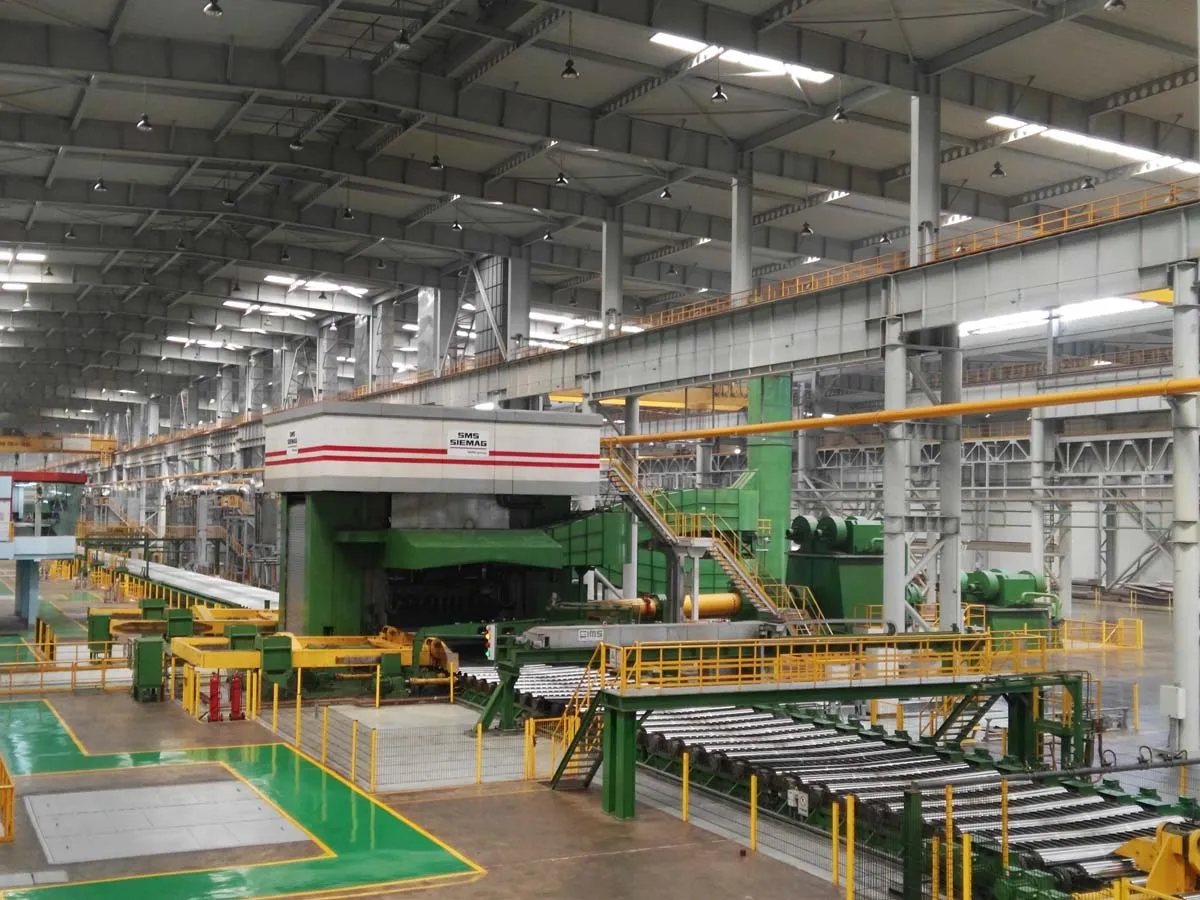
Equipped with 1+4 hot rolling lines and cold rolling mills capable of producing marine plates up to 2,600mm width and 16,000mm length, reducing total weld seams required in shipyard hull construction.
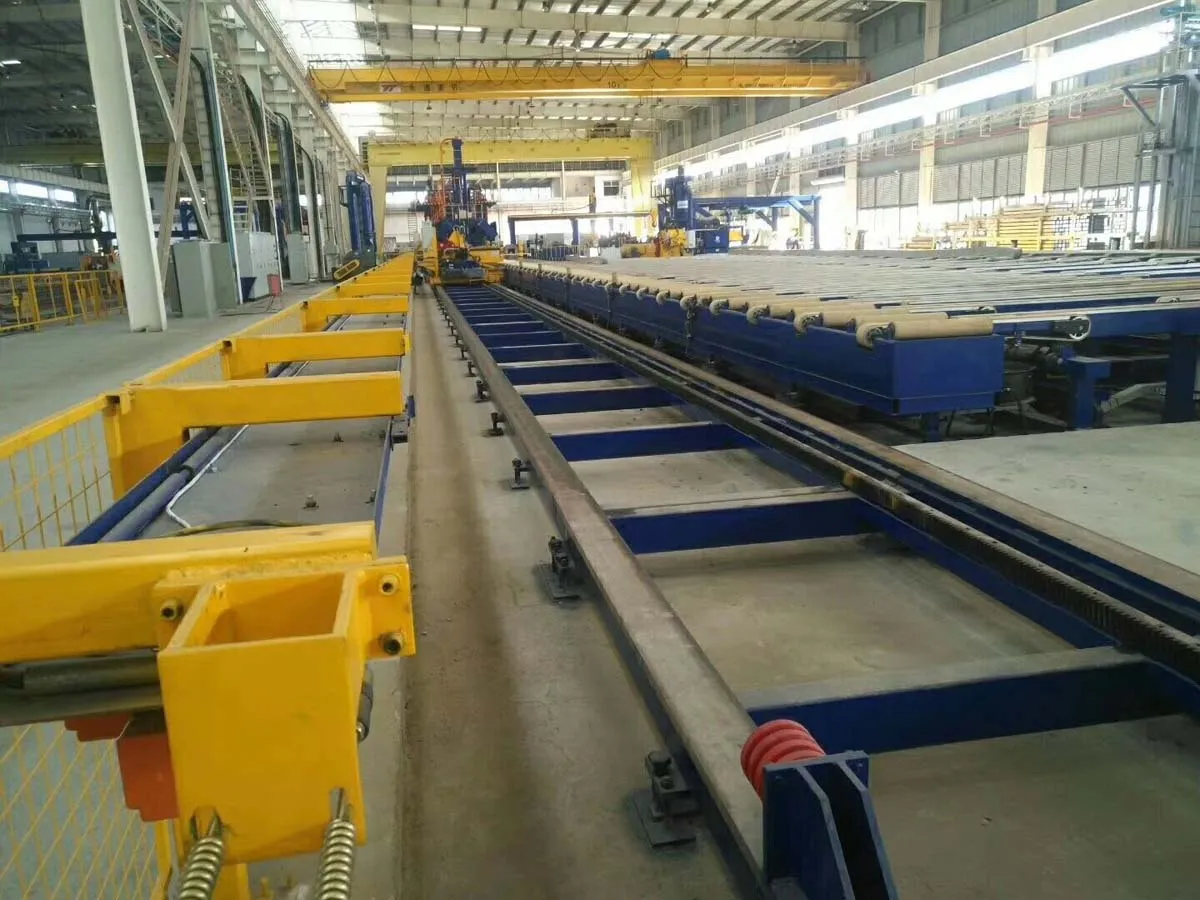
Multiple hydraulic extrusion presses ranging from 1,000 to 10,000 tons, delivering complex structural profiles, bulb flats, and hollow sections with tight dimensional tolerances.
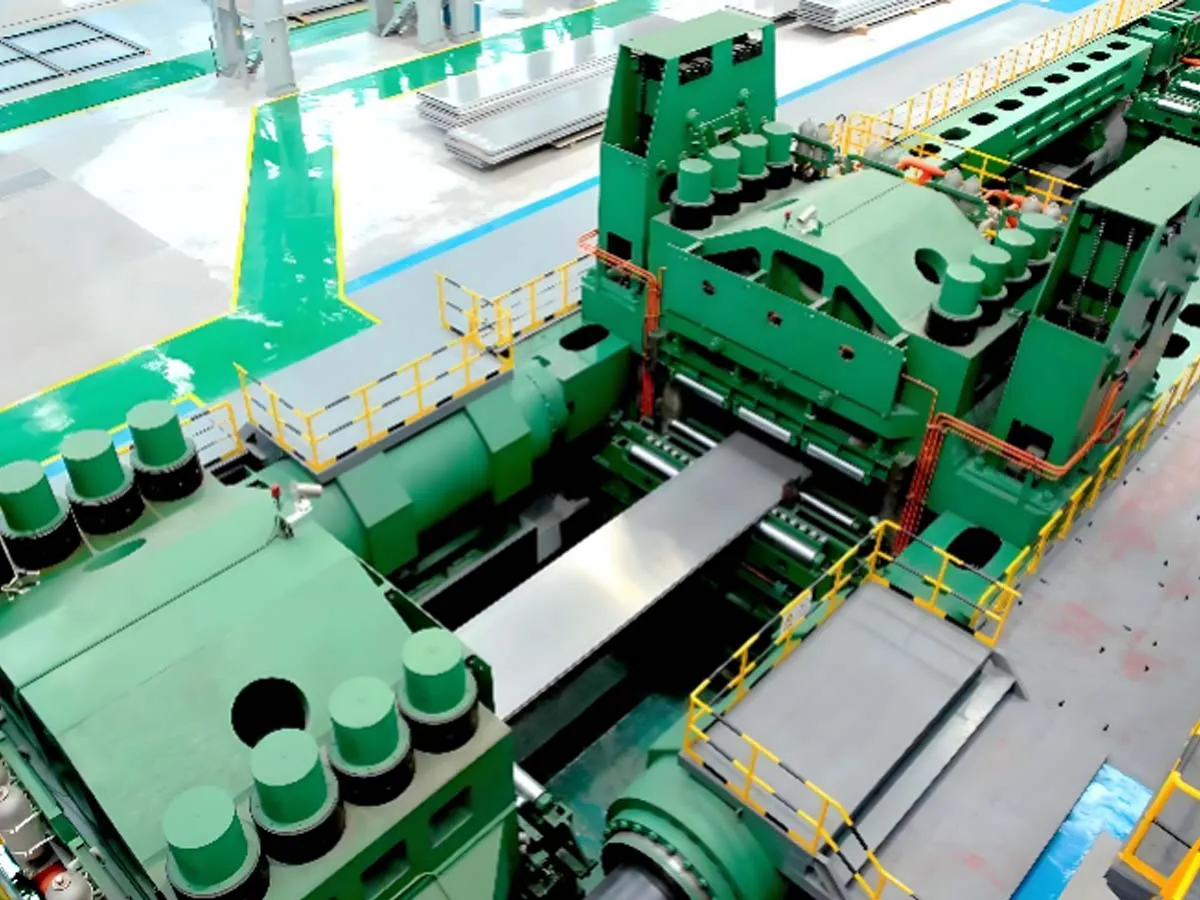
Advanced high-tonnage hydraulic tension leveling and stretching equipment eliminating internal residual stresses, ensuring superior flatness and dimensional stability during subsequent shipyard CNC plasma cutting.
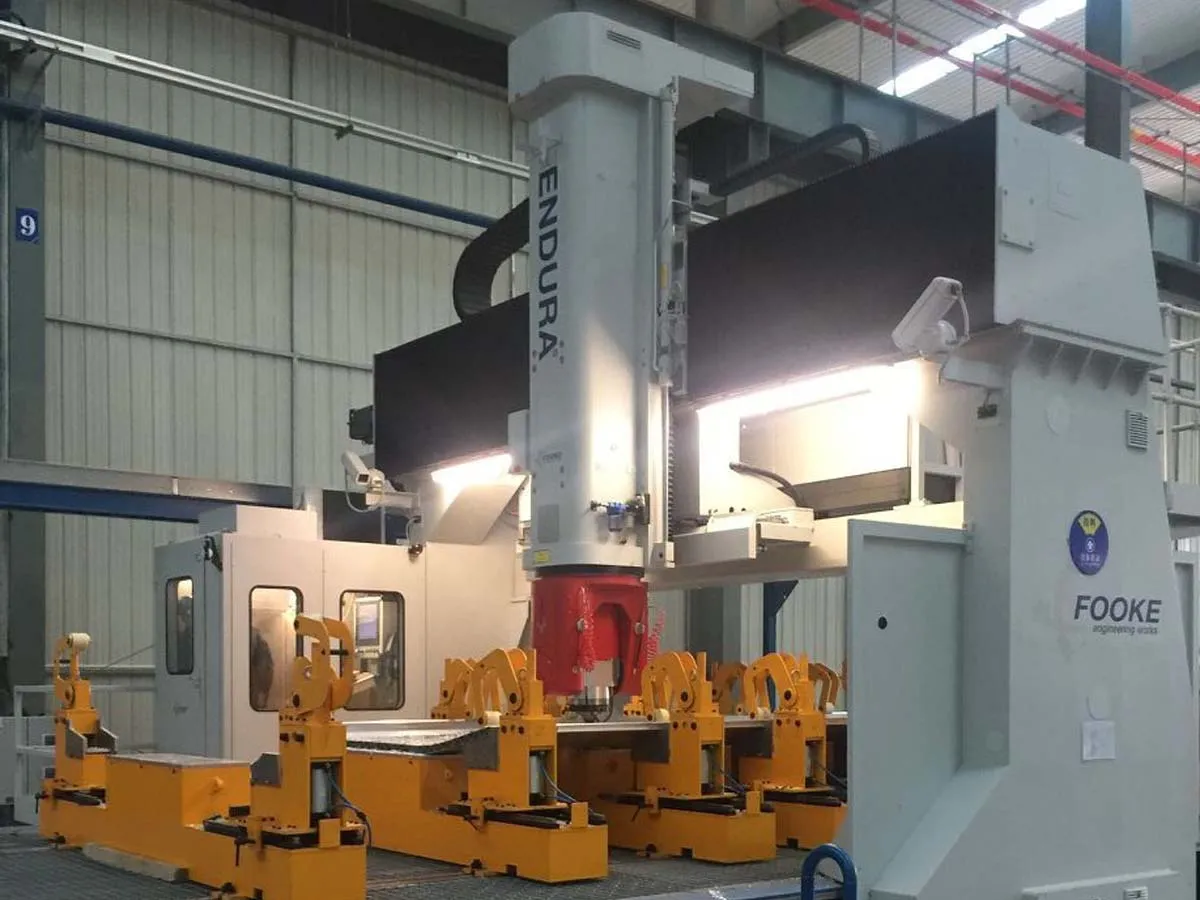
Precision CNC gantry machining centers capable of handling long structural profiles and plates, providing custom edge preparation, welding bevels, and tight-tolerance machining for direct shipyard assembly.
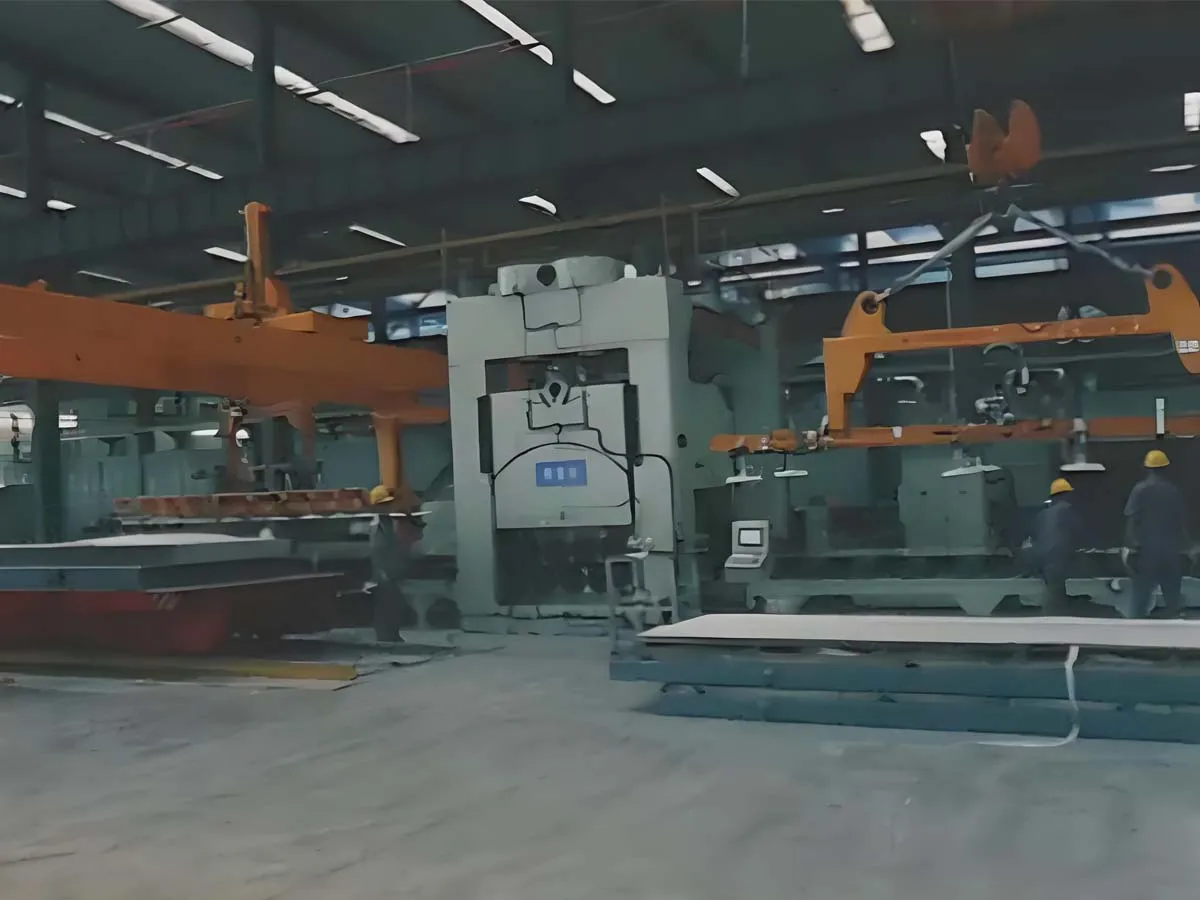
Advanced roller leveling and tension leveling equipment ensuring superior plate flatness, paired with controlled degreasing and protective film application.
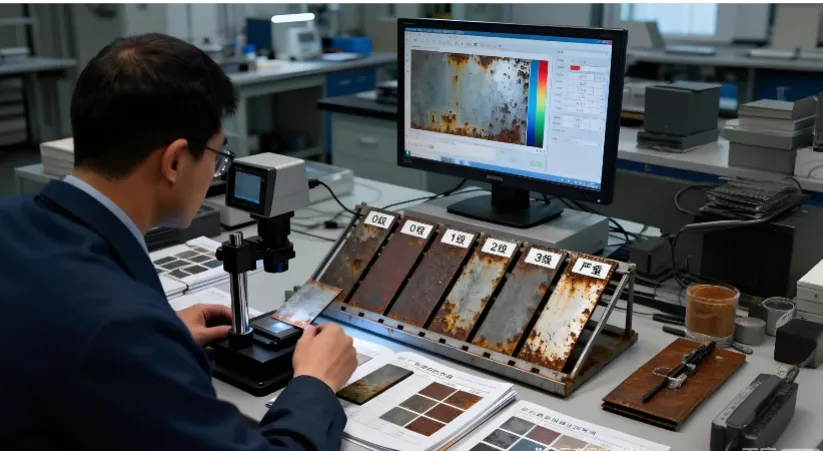
In-house spectroscopic analysis, automated ultrasonic internal defect scanning, and destructive tensile/exfoliation corrosion testing laboratories meeting EN 10204 3.1 standards.
Alloy 5083-H116 is universally selected for welded hull plating under ASTM B928 specifications due to its optimal balance of high tensile strength, excellent weldability, and guaranteed resistance to marine exfoliation corrosion.
Our marine aluminum flanges, elbows, tees, reducers, and pipe caps are manufactured in accordance with ANSI/ASME B16.5 and EN 1092-1 standards using corrosion-resistant alloys like 5083-H112 and 6061-T6.
Both share the 5083 chemical composition. H116 is strain-hardened and specifically tested to ensure resistance to exfoliation corrosion in marine immersion, whereas H321 is stabilized at lower temperatures and is commonly selected for formed structural components.
Every commercial order is delivered with an EN 10204 3.1 Mill Test Certificate detailing heat numbers, chemical breakdown, mechanical test values, and dimensional verification.
AWS A5.10 ER5183 or ER5356 welding wires are recommended to ensure the weld metal matches the mechanical strength and corrosion resistance of the 5083 parent material.
Yes. Plates can be custom-rolled or precision saw-cut to specific project dimensions, thickness tolerances, and beveling requirements to minimize shipyard waste.
While aluminum is utilized for hull and superstructure integrity, C70600 (90/10 Cu-Ni) is deployed in seawater piping systems for its exceptional resistance to bio-fouling and high-velocity erosion.
5083-H116 is one of the most commonly specified aluminum alloys for welded boat hull and shipbuilding applications because it provides a strong combination of seawater corrosion resistance, weldability, and structural performance.
Both are marine-grade Al-Mg alloys. 5083 is commonly selected for primary hull structures, while 5086 is frequently used for workboats, marine tanks, and applications requiring good toughness.
6061 aluminum can be used in marine components such as brackets, frames, and machined parts. However, welded hull structures are more commonly produced from 5xxx series marine alloys such as 5083.
6082-T6 provides high structural strength and is widely used for aluminum extrusions including beams, stiffeners, and support frames.
Explore engineering whitepapers and material data sheets for naval architecture and shipyard planning.
Provide vessel specifications, alloy grades, required dimensions, and classification standards for a direct mill quotation.